

Quick Overview
Discovering damage to your storage unit can be stressful, but knowing what to do next can make the situation easier to manage. This blog explains how to check for safety risks, photograph damaged belongings, contact facility management, and prepare an insurance claim. It also covers policy reviews, documentation tips, and how SnapNsure can help you explore storage unit insurance options.
Finding damaged belongings in your storage unit can be upsetting. You might notice a broken lock, water on the floor, or damaged furniture. It is natural to wonder what happened and what you should do next.
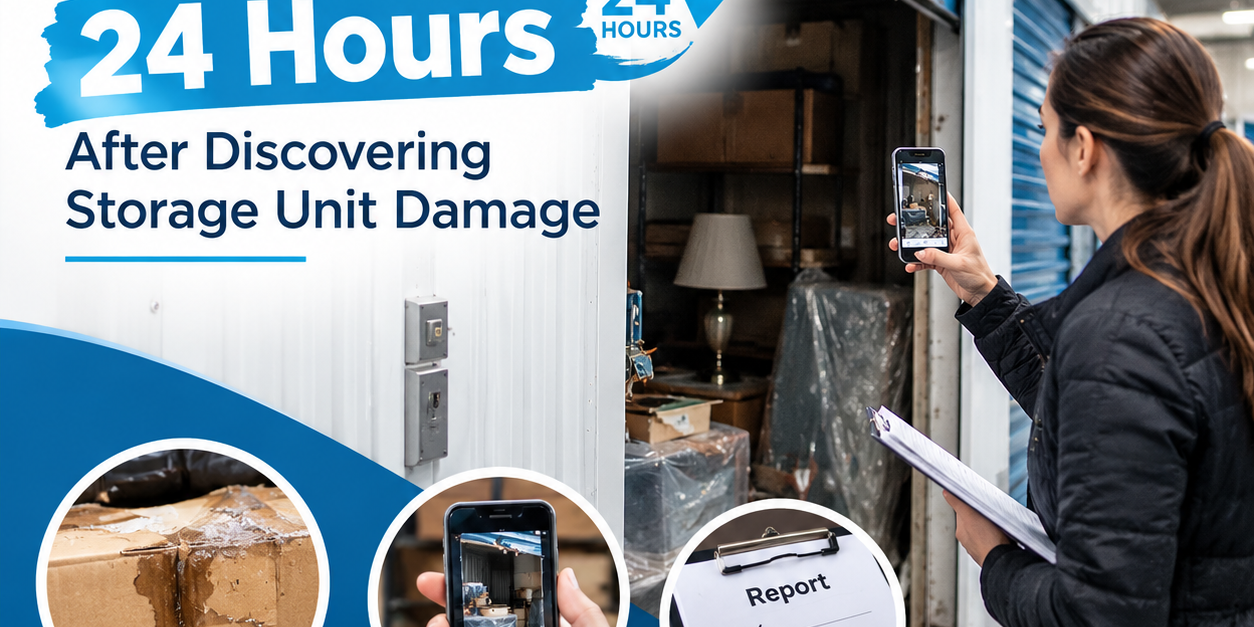
Start by taking a breath and dealing with one thing at a time. In the first 24 hours, focus on checking the area for safety, taking photos of the damage, and letting the storage facility manager know what happened.
This is also a good reminder of why having your own storage units insurance matters. You cannot always rely on the storage facility’s insurance to cover damage to your personal belongings. Having a separate policy can help protect eligible items against covered losses, depending on the policy’s terms and limits.
1. Check for Safety Before Entering
Your first priority is to make sure the area is safe. Look for obvious signs of danger before entering the unit. These may include exposed electrical wires, standing water near electrical equipment, a damaged ceiling, or a broken door that could fall.
If you notice anything dangerous, stay outside and alert the storage facility manager. Do not touch damaged electrical equipment or enter an unstable space.
If the damage appears to involve a break-in, avoid disturbing the area more than necessary. The condition of the lock, door, and belongings may help establish what happened. Contact the facility manager and local police when theft or criminal activity is suspected.
Your safety matters more than collecting evidence. Wait until the area is safe before inspecting your belongings.
2. Take Photos and Videos of the Damage
Once it is safe to enter, document the damage before moving anything. Take wide photos of the entire unit, followed by close-ups of damaged furniture, wet boxes, water marks, broken locks, and other affected items. Photograph each item from different angles to show its condition clearly.
Keep these tips in mind:
These records can help when reporting the incident to the facility manager and your storage unit insurance provider.
3. Contact the Storage Facility Manager
Report the damage as soon as possible. Explain what you found, when you discovered it, and which belongings appear to be affected. Ask the manager to inspect the unit and document the incident.
Depending on the situation, you can also ask whether the facility has recorded a roof leak, plumbing problem, break-in, or other event that may explain the damage.
Request a written incident report or confirmation of your complaint. Keep the manager’s name, contact details, and any reference number you receive.
If other units may have been affected, ask what steps the facility is taking to address the problem. However, do not assume the facility will pay for damaged belongings. Responsibility depends on the circumstances and applicable agreements or laws.
4. Make a List of Damaged Belongings
After taking photos, make a list of the belongings affected by the damage. Include furniture, clothing, household goods, electronics, and other items you kept in the unit.
For each item, note its name, approximate age, purchase price if known, and current condition. Attach photos, receipts, or order confirmations if you have them. Do not worry about calculating every replacement cost right away. Start with a simple list and add details as you go.
This inventory can be helpful when reviewing insurance for storage unit contents and preparing a claim. Keep damaged items until your insurer advises you on what to do. If an item poses a safety risk, explain the situation to your insurer and take photos before disposing of it, if safe to do so.
Get storage unit insurance with coverage up to $25,000 per unit, subject to policy terms.
5. Review Your Storage Unit Insurance Policy
The next step is to understand what protection may apply. Storage units insurance policies can differ in their covered events, exclusions, deductibles, documentation requirements, and coverage limits.
Read your policy carefully and check whether the type of damage you discovered may be covered. Water damage, theft, vandalism, and other incidents may be treated differently depending on the policy wording and circumstances.
Do not assume every damaged item qualifies for payment. For example, a policy may cover certain sudden events but exclude particular causes of loss or types of damage.
Check your deductible, too. This is the amount you may need to pay toward a covered claim before insurance benefits apply. Knowing these details can help you understand the next steps and prepare the information your insurer may request.
6. Notify Your Insurance Provider Promptly
If you have insurance for storage unit, contact your provider as soon as practical after discovering the damage. Follow the instructions in your policy for reporting a loss and starting a claim.
Be ready to provide basic information, including:
Stick to the facts. If you do not know what caused the damage, say so rather than guessing. Ask whether an inspection is needed and whether you should wait for approval before making repairs or disposing of damaged items.
Keep notes of your conversations, including dates, names, and any instructions you receive.
7. Take Steps to Prevent Further Damage
Once you have documented the scene and received guidance, focus on preventing additional harm. If the facility confirms that the unit is safe, move unaffected belongings away from a leak or damp area when appropriate.
Do not use wet electrical items or handle materials that may be contaminated. Ask the facility how the underlying problem will be fixed before returning belongings to the affected space.
If you need to move items to another unit, keep records of their condition and location. Save receipts for reasonable expenses related to protecting your belongings, and ask your insurer whether any of those costs may be covered.
Make the First 24 Hours Count
When your stored belongings are damaged, taking the right steps early can make the claims process easier to manage. Photograph the damage, notify the facility manager, list affected items, and contact your insurer. Keep receipts, photos, and other supporting records together, and review your coverage before deciding what to do next.
Do not assume the storage facility’s insurance will cover your losses. Having your own storage unit insurance is important because it can help protect your belongings against covered risks, depending on your policy.
Why Choose SnapNsure for Storage Unit Insurance?
Unexpected storage unit damage can happen when you least expect it. SnapNsure helps you prepare with storage unit insurance designed for eligible stored belongings.
Here’s what makes SnapNsure stand out:
Get a free quote from SnapNsure and find coverage that fits your needs.
