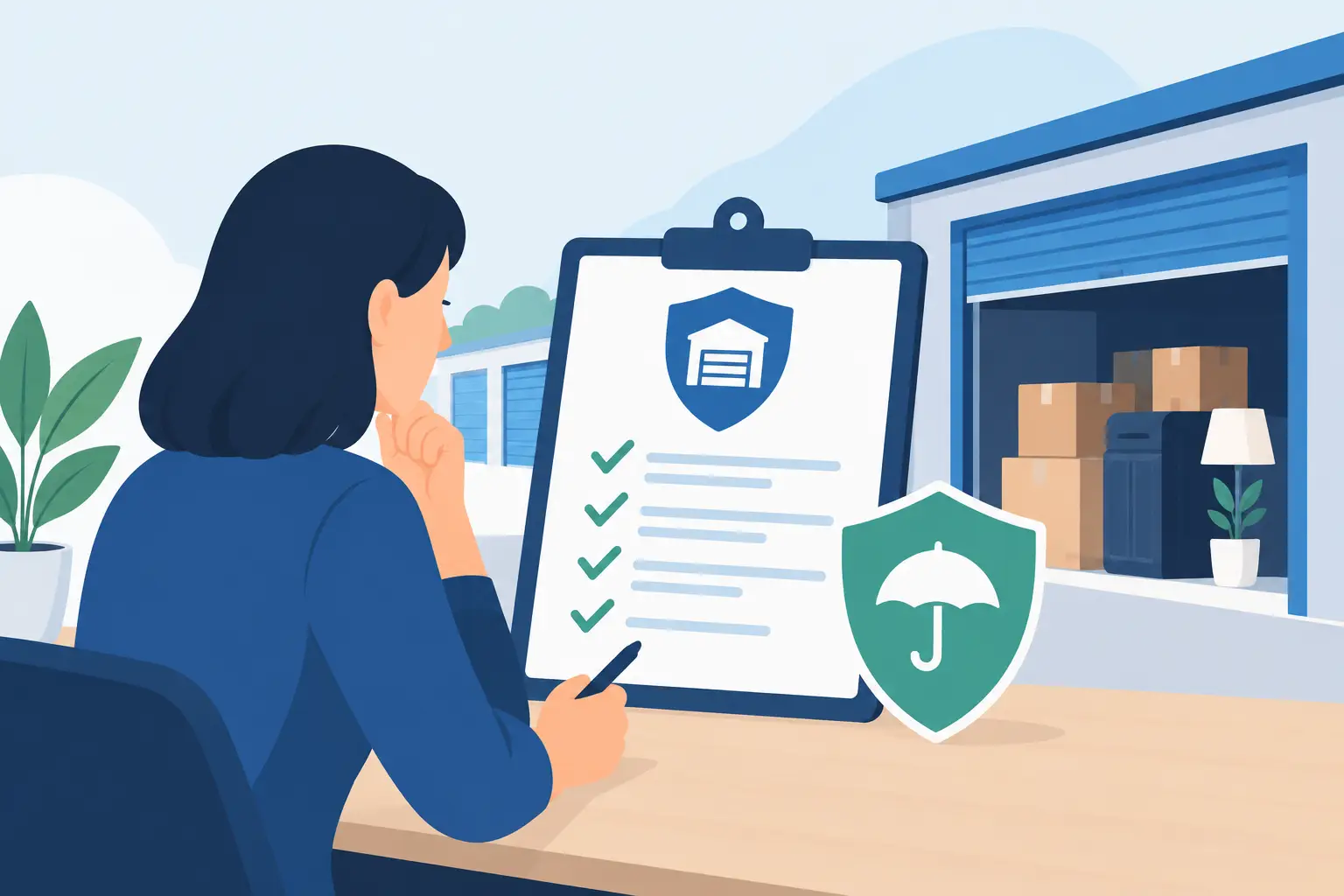
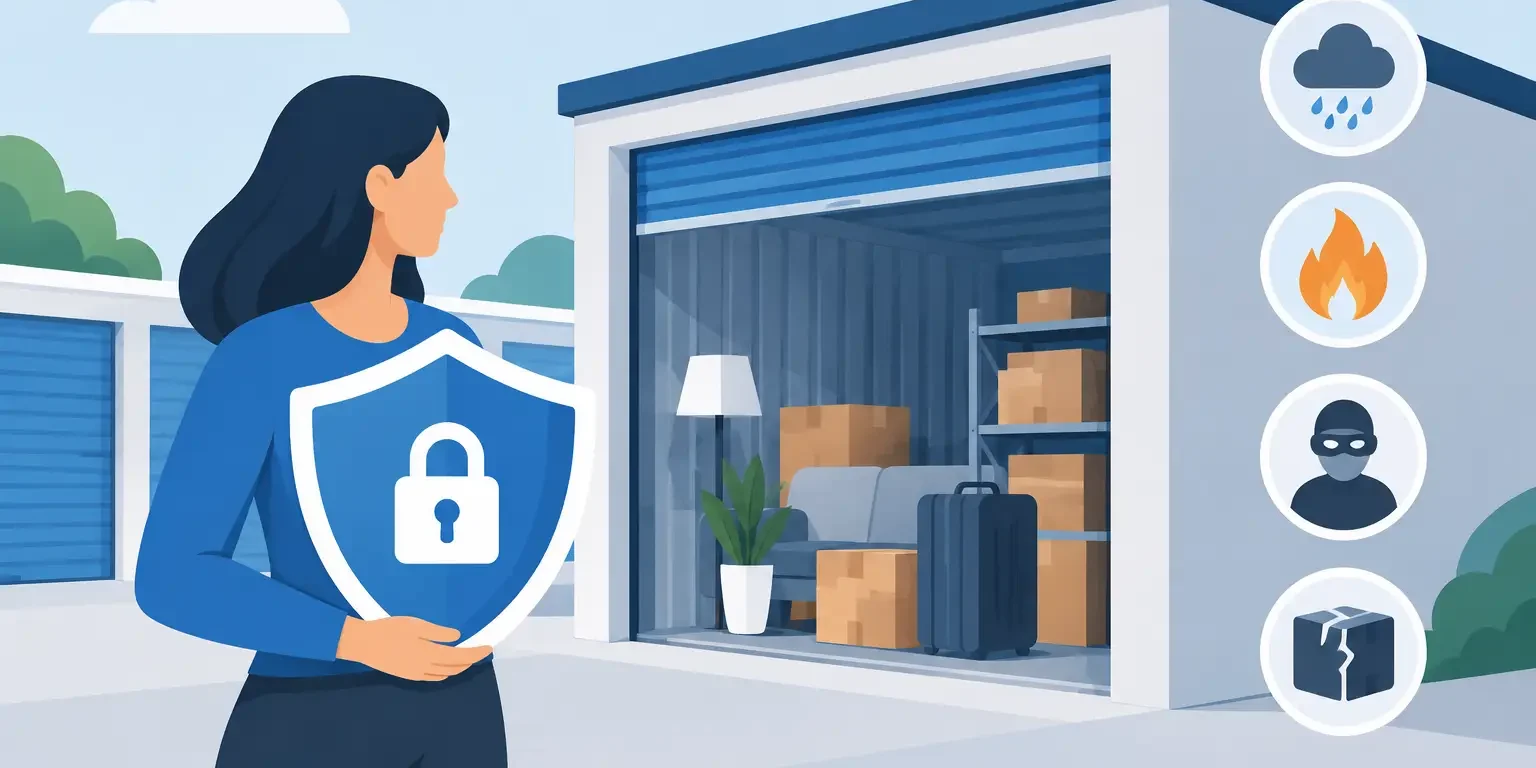
A mobile storage container can make a move feel almost effortless. It arrives at your driveway, you load on your schedule, and the container can stay put or travel to your next home. But while the process is convenient, the risk to your belongings does not disappear once the door shuts. Mobile storage can expose your property to weather, transit damage, theft, fire, and water losses that a basic provider plan may not fully cover.
That is where many customers get caught off guard. They assume the protection offered at checkout is insurance, then learn too late that it may be a limited protection plan with exclusions, low payout limits, or gaps for the losses they actually worry about. Before your container leaves the driveway, know what you are buying.
Why Mobile Storage Needs Real Insurance
Mobile storage is not the same as putting a few boxes in a garage. Your belongings may sit outside your home, travel on public roads, wait at a storage yard, or be handled during pickup and delivery. A single move can involve multiple locations and several points where loss can happen.
That does not mean mobile storage is unsafe. Providers such as PODS, PackRat, Mobile Mini, Clutter, and valet storage services make moving and temporary storage far more manageable. It does mean your coverage should match the reality of the service.
A protection plan sold by a storage or moving provider can be convenient, but convenient is not always complete. Some plans are not insurance policies at all. They may limit what they pay, exclude certain causes of loss, require specific proof, or place strict limits on higher-value property. The details matter most when your furniture, electronics, clothing, family keepsakes, and other essentials are already inside the container.
A real insurance policy is designed to insure your stored contents, subject to its terms, limits, deductibles, and exclusions. That distinction is worth understanding before you pay monthly for protection that may not perform the way you expect.
What to Check Before You Choose Mobile Storage Coverage
Do not judge a plan by the monthly price alone. A lower price is only a win when the policy provides meaningful protection for the belongings you are storing. Read the coverage summary and ask direct questions before enrolling.
Does it cover the losses you actually fear?
Start with the big risks: fire, theft, vandalism, smoke, water damage, wind, flood, and named storms. These are not abstract concerns when your possessions may be in a container during a major weather event or at an off-site storage location.
Many storage-provider plans contain exclusions that are easy to miss. Flood and named storm losses are especially important to review. If your container is stored in a region prone to hurricanes, heavy rain, coastal flooding, or storm surge, a cheap plan that excludes those events can be a costly false economy.
Coverage varies by policy, so do not rely on a verbal assurance or a checkout label. Ask for the actual terms. If a risk is not covered, you deserve to know that before a loss happens.
Is the coverage limit high enough?
It is surprisingly easy to underestimate the value of a storage container. Start adding up a bedroom set, sofa, dining furniture, televisions, computers, kitchen equipment, clothes, tools, books, and decor. For a family moving from a two- or three-bedroom home, the replacement value can climb fast.
A plan with a low maximum payout may look fine until you compare it with what it would cost to replace everything. Consider the value of your belongings as they are today, not what you originally paid years ago. If you could not comfortably replace your stored property after a major loss, your limit is probably too low.
Look for coverage that gives you room to choose an appropriate limit. SnapNsure offers monthly contents insurance limits up to $25,000 per unit, helping customers choose protection that better reflects what is actually in storage.
Are there category limits or excluded items?
Not every item is treated the same way. Jewelry, watches, artwork, collectibles, cash, documents, firearms, business property, and certain electronics may have special limits or exclusions. Items with sentimental value deserve special attention too. Insurance may help with replacement cost, but it cannot recreate irreplaceable photos or heirlooms.
The practical answer is not to panic or avoid storage altogether. It is to store thoughtfully. Keep passports, financial records, original photos, cash, and one-of-a-kind heirlooms with you whenever possible. For valuable items that will go into the container, document them and confirm how your policy handles them.
Does your homeowners or renters insurance apply?
Maybe, but do not assume it solves the problem. Some homeowners and renters policies provide off-premises coverage, yet the amount may be limited and the deductible may be higher than you expect. A claim can also affect your primary insurance history. In addition, coverage may change depending on where the property is stored and whether it is being transported.
Call your current insurer and ask specifically about property inside a mobile storage container, during transit, and at the provider’s storage location. Ask about covered causes of loss, deductible, coverage limit, and whether filing a claim could affect your policy. Then compare that answer with a dedicated storage contents policy.
How to Protect Your Belongings Before the Container Arrives
Insurance is essential, but smart preparation makes a claim easier and can help prevent damage in the first place. Take photos or video of major items before packing. Open drawers and cabinets, capture serial numbers for electronics, and save receipts or appraisals for more valuable property. Store those records digitally, not in the container.
Pack for movement, even if you expect the unit to remain in your driveway. Use sturdy boxes, label them clearly, and fill empty spaces so items do not shift. Wrap furniture, use mattress covers, and place heavier boxes on the bottom. Avoid putting delicate electronics, important papers, or climate-sensitive items in conditions that could expose them to extreme heat, cold, or humidity.
You should also create an aisle inside the container. It makes it easier to inspect your belongings, retrieve something important, and spot a problem before it becomes worse. Keep a simple inventory by room or box number. It does not need to be fancy. It needs to be usable when you are stressed.
Finally, secure the container with the lock recommended by your provider and follow its loading instructions. Overloading, improper weight distribution, or using damaged boxes can create avoidable trouble during transport.
The Cost of Cheap Coverage Can Be Higher Than It Looks
Storage providers know customers want a quick answer at checkout. That is why a small monthly protection fee can feel like the easiest choice. But the right question is not, “What is the cheapest option today?” It is, “If something happens, will this coverage help me recover?”
Compare the monthly cost, deductible, maximum payout, covered causes of loss, exclusions, and claims process side by side. If one option costs less but leaves out flood, named storms, transit-related risks, or much of your property value, it may not be less expensive in any meaningful sense.
A dedicated policy can also be a smarter value than paying inflated storage-provider fees for limited protection. Customers should expect clear terms, real insurance from a financially strong underwriter, and an online process that does not turn protecting their belongings into another moving-day chore.
Before you book the container or accept the default plan, take ten minutes to get clear on your coverage. Your move may be temporary. The things inside that container are part of your life, and they deserve protection that is ready when it counts.