
That monthly storage charge can look small until you add it up over a year. The bigger problem is that many renters cancel a storage plan to cut costs, then discover too late that they canceled the only coverage attached to their unit.
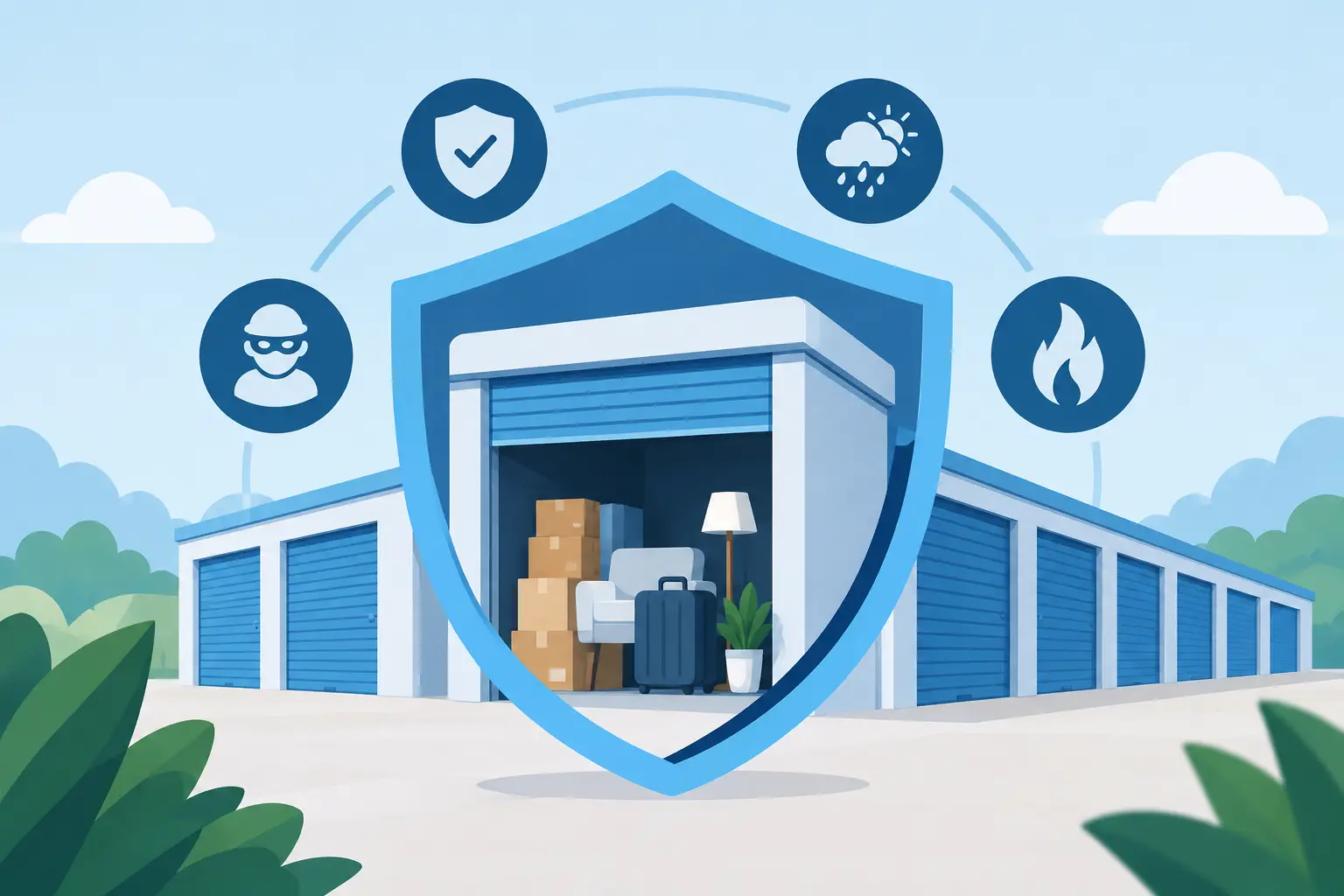
If you want to cancel a storage plan, do it with a replacement strategy – not a hope-for-the-best strategy. Your furniture, electronics, family keepsakes, seasonal gear, and moving boxes can still face theft, fire, water damage, vandalism, and other losses while they sit behind a locked storage door.
The smart move is not simply getting rid of a fee. It is replacing overpriced or limited facility protection with coverage that makes sense for what you actually have stored.
Why people cancel a storage plan
Most storage customers cancel because the charge feels like an expensive add-on. That instinct is understandable. Storage operators often offer a facility protection plan at move-in, when you are signing paperwork, scheduling movers, and trying to get through a long to-do list. It is easy to say yes without comparing what the plan costs or what it truly covers.
Later, you may notice that the monthly charge has climbed, the coverage limit is too low, or key losses are excluded. Many facility-issued plans are not traditional insurance policies. They can come with restrictive terms, limited reimbursement, deductibles, specific documentation requirements, and exclusions that leave major risks off the table.
Canceling can be a smart financial decision. Canceling before you have replacement coverage in place can be an expensive mistake.
Check what you are actually canceling
Before you cancel a storage plan, pull up the agreement or ask the facility for the full terms. Do not settle for a one-line description on your monthly bill. You need to know whether the charge is for a protection plan, a true insurance policy, or a facility requirement tied to your rental agreement.
Start with the coverage limit. A $2,000 plan may sound useful until you consider the replacement cost of a sofa, mattress, television, clothes, kitchen items, tools, sports equipment, and boxes of personal property. If the contents of your unit would cost $8,000 or $15,000 to replace, low-limit coverage may offer false confidence rather than meaningful protection.
Then look at excluded losses. Flood and named storms are especially worth checking. A storage facility may be well built, but it is not immune to severe weather, drainage failures, or regional disasters. The same applies to mobile storage containers, which may be parked at a residence, warehouse, or staging location during a move.
Finally, check whether your facility requires proof of coverage. Some operators allow you to decline their in-house plan if you show proof of outside insurance. Others have particular minimum coverage requirements. Get the rule in writing so you are not surprised by a charge appearing again next month.
Do not assume your home or renters policy is enough
Your homeowners or renters insurance may offer some protection for belongings stored off-site. But “some” is doing a lot of work here.
Off-premises coverage may be limited to a percentage of your personal-property limit. It may exclude certain property, reduce coverage for items kept in a storage unit, or leave you responsible for a deductible that makes a smaller claim impractical. A $1,000 or $2,500 deductible can erase the value of a modest loss.
Coverage also depends on the reason for the loss and the policy language. Mobile storage adds another layer to review because the container may be in transit or temporarily located away from the storage facility. If you are relying on an existing policy, call your insurer and ask direct questions about your specific setup.
Ask what limit applies to property in storage, whether flood and named storms are covered, what deductible would apply, and whether your storage provider needs proof. A quick conversation now is much easier than arguing over coverage after a loss.
How to cancel a storage plan the right way
The safest order is simple: choose your new coverage first, confirm it is active, provide proof to the facility if required, and then cancel the old plan.
Do not wait for your next billing date if that creates a gap. Insurance is about what happens in the one bad moment you did not schedule. A leak, break-in, fire, or storm does not care that you planned to finish the paperwork tomorrow.
Once replacement coverage is active, contact the storage facility through the method it requires. Some locations accept an online account update, while others require an email, form, or visit to the office. Ask for confirmation that the plan has been removed and save that confirmation with your rental agreement.
Check your next statement, too. Storage billing systems are not perfect. If the old charge remains, contact the facility promptly with your cancellation confirmation and proof of outside coverage.
Keep a basic inventory before making changes
Cancellation is also a good reminder to document what is in your unit. You do not need a complicated spreadsheet to get started. Take clear photos or a short video of the contents, including higher-value items. Keep receipts, serial numbers, appraisals, and any prior photos you have for expensive property.
This documentation helps establish what you owned and its condition if you ever need to make a claim. It also helps you choose an honest coverage limit instead of guessing low simply to get the cheapest price.
Choose coverage based on your belongings, not the facility’s upsell
A storage provider’s plan is designed to be easy to add at checkout. That does not automatically make it the best value. Compare the monthly cost, deductible, maximum payout, covered causes of loss, and exclusions side by side.
Look for a REAL insurance policy from a financially strong underwriter, not just a limited protection program with a familiar-sounding name. The difference matters when you need to file a claim.
SnapNsure offers monthly self-storage contents insurance for traditional units and mobile storage options, including PODS, PackRat, Mobile Mini, Clutter, and valet storage. Coverage can reach up to $25,000 per unit and includes protection for losses that many basic facility plans leave out, such as flood and named storms. For many customers, it is a chance to save up to 50% or more while stepping into stronger protection.
The right limit depends on your situation. A college student storing a few boxes and a mattress has different needs than a family storing the contents of a three-bedroom home during a renovation. Price matters, but a bargain policy with a limit far below your property value is not a bargain when something goes wrong.
Watch for these cancellation mistakes
The most common mistake is canceling first and shopping later. The second is treating a facility plan and an insurance policy as identical without reading the details. The third is choosing a coverage limit based solely on the monthly premium.
Another mistake is forgetting that certain items may have separate limits or may not be covered at all. Cash, important papers, jewelry, collectibles, business inventory, and highly valuable items often require extra attention. If an item matters enough that losing it would hurt financially, check how it is handled before assuming it is protected.
Also, do not confuse the facility’s security with insurance. Gates, cameras, locks, and climate control can reduce risk, but they cannot guarantee that nothing will happen. Security is prevention. Insurance is the financial backup plan when prevention fails.
A lower bill should not mean lower confidence
You should not have to pay an inflated monthly fee just because your belongings are behind a storage-unit door or inside a mobile container. But you also should not trade real protection for a few dollars of short-term savings.
Take a few minutes to review your current plan, confirm what your belongings are worth, and put better coverage in place before you cancel. The right policy lets you clear an unnecessary charge from your bill while keeping the things you worked hard to own protected.