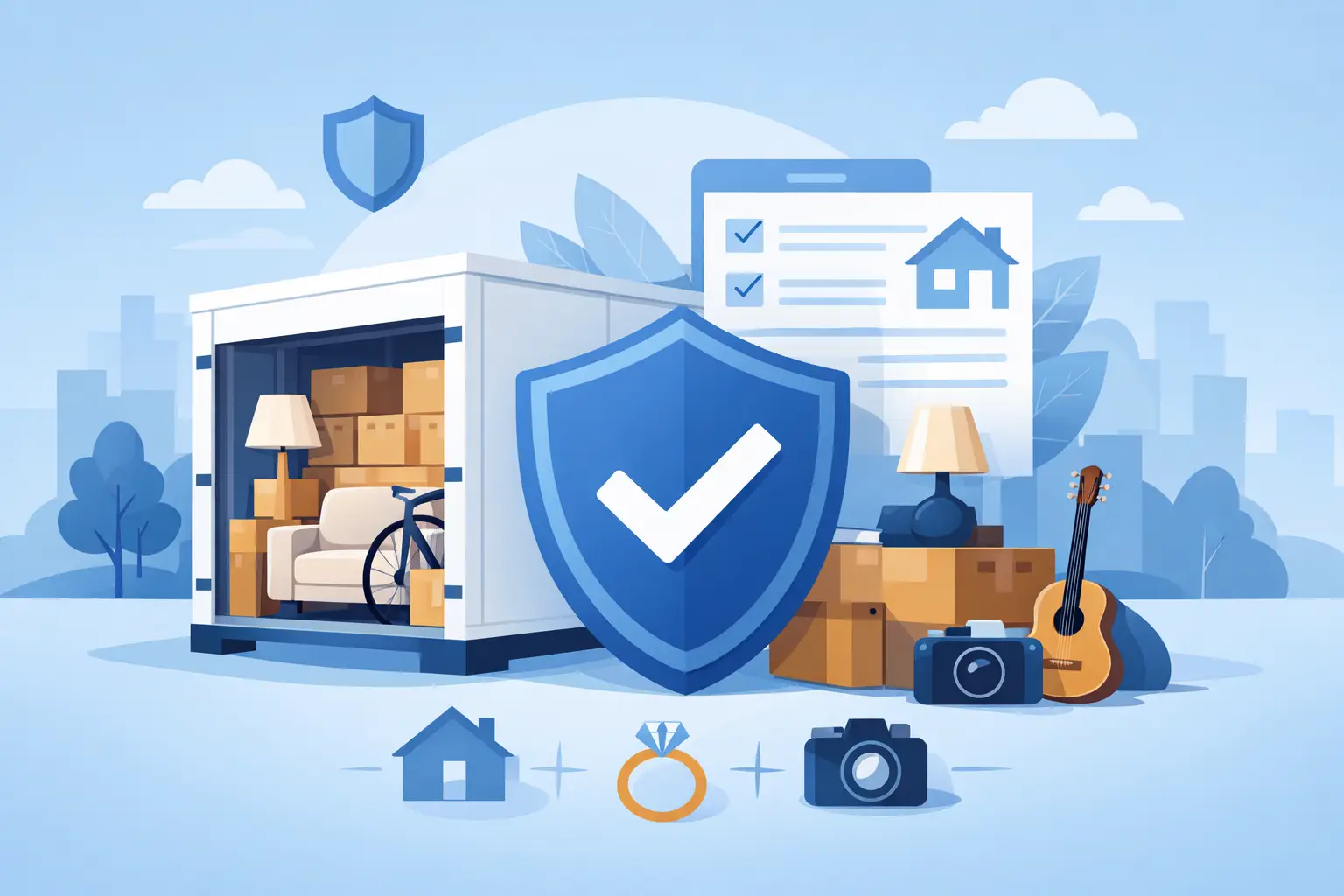
Your container may be sitting in a driveway, on a truck, or at a storage center, but one thing stays the same – your stuff needs real protection. That is where PODS contents insurance matters. Too many people assume the basic protection offered during storage or transport is enough, then find out the hard way that the coverage is limited, expensive, or full of exclusions.
If you are using a PODS container during a move, remodel, deployment, college transition, or downsizing project, this is not the time to guess. Furniture, electronics, clothing, documents, tools, and sentimental items can add up fast. A low monthly cost for better coverage is usually the smarter move than overpaying for a weak protection plan that does not act like real insurance when you need it most.
What PODS contents insurance really means
PODS contents insurance is designed to protect the belongings inside your mobile storage container. That sounds simple, but the details matter. Some plans sold around storage are not true insurance policies. They may be protection plans with narrow terms, lower payout limits, and more restrictions than customers expect.
That distinction matters most after a loss. If your container is damaged by a covered event, or your belongings are affected by something major like flooding or a named storm, the quality of the policy becomes very real, very fast. A true insurance policy generally offers stronger protection, clearer terms, and a better claims framework than a basic in-house plan.
The big mistake people make is focusing only on the monthly price without asking what that price buys. Cheap coverage is not a bargain if it leaves out the risks you are actually worried about. On the other hand, overpriced facility coverage is not a smart buy either if you are paying more for less.
Why standard storage protection often falls short
A lot of storage customers are offered protection at checkout and take it because it is convenient. That is understandable. You are already juggling moving dates, contractors, lease timing, and boxes everywhere. But convenience should not mean settling for weak coverage.
Some storage-provider plans cap payouts at levels that may not match the value of what you have stored. Others exclude important causes of loss or create confusion around what is covered while the container is in transit versus parked at a location. That gap can be costly.
Flood coverage is one of the biggest pressure points. Many customers assume water damage is covered automatically. Often, it is not. Named storm coverage can be another weak spot. If you live in a storm-prone area or your container is outdoors, those are not minor details. They are exactly the kind of risks you should be checking before you buy.
There is also the issue of value. Storage operators commonly sell plans that cost more than standalone contents insurance while still offering less protection. That is backwards. You should not have to pay premium pricing for stripped-down coverage.
What to look for in PODS contents insurance
Start with the basics. You want coverage limits that reflect what is actually inside the container. A few rooms of household goods can easily exceed a low-limit plan. If you are storing a full apartment, several bedrooms of furniture, or the contents of a home during a renovation, higher limits matter.
You also want covered causes of loss that match real-world storage risks. Water damage, fire, theft, vandalism, wind-related events, and weather-related damage deserve close attention. If the policy leaves out flood or named storms, that is a serious trade-off, especially for mobile storage.
Next, look at whether the policy is a real insurance product backed by a strong underwriter. That is not just insurance jargon. It is one of the clearest ways to separate dependable protection from a lightweight program designed more for convenience than claim strength.
Finally, keep the buying process in mind. Good insurance should be easy to quote, easy to understand, and easy to start online. If switching from another plan feels like a hassle, many people stay stuck with overpriced coverage they do not even like. That friction is part of what keeps bad plans alive.
When PODS contents insurance is most important
Some customers think they only need coverage if the container is stored for a long time. That is not necessarily true. Short-term use can carry just as much risk, especially during moves. In fact, transitions are when belongings are often most exposed.
If your container is sitting outside during a renovation, there is weather risk. If it is being transported between cities, there is transit exposure. If it is stored off-site for several months, there is a longer window for theft, fire, or other covered losses. The idea that temporary storage means lower risk is often wrong.
Military families, students, and people relocating for work face this all the time. Their storage timeline may shift, extend, or change location. Flexible monthly coverage is a better fit for that kind of life than a one-size-fits-all plan that locks you into weak terms.
The savings question matters too
Insurance is supposed to protect your finances, not quietly drain them. That is why cost matters. The best PODS contents insurance is not just stronger on coverage. It should also make financial sense.
A lot of people are surprised to learn they can often get a real insurance policy for less than what a storage provider charges for a basic protection plan. Saving 50 percent or more is not a small difference over several months of storage. That money can go toward your move, repairs, school expenses, or just staying on budget.
But savings only count if the coverage is real. The goal is not paying the absolute lowest price. The goal is paying less for better protection. That is the sweet spot, and it is where smart shoppers should focus.
How to compare PODS contents insurance without getting buried in fine print
Keep it simple. Ask four questions.
First, is this a real insurance policy or just a storage protection plan?
Second, what are the coverage limits, and are they high enough for what I own?
Third, does it cover major risks like flood and named storms?
Fourth, how much am I paying each month for that protection?
Those questions cut through a lot of noise. If one plan costs more and covers less, it should be off your list. If another offers higher limits, broader protection, and easier online signup, that is probably the better buy.
This is one of those moments where plain-English comparison beats marketing fluff. You do not need to become an insurance expert. You just need to avoid paying too much for too little.
A smarter option for mobile storage customers
Mobile storage customers need coverage built for how containers are actually used – parked at home, stored at a facility, or moved from one place to another. That is different from traditional self-storage, and your policy should reflect it.
SnapNsure was built around that reality. Instead of pushing an overpriced in-house protection plan, it offers real storage contents insurance backed by an A-rated underwriter, with broad protection, higher limits, and monthly pricing designed to save customers serious money. For people storing with PODS, PackRat, Mobile Mini, Clutter, or valet storage, that kind of straightforward value is hard to ignore.
The appeal is simple. Get a quote online. Pick the limit you need. Add optional protection if it fits your situation. Pay digitally and move on with your day. If you already have another provider, switching does not have to be a project.
Don’t wait until after the loss
Most people shop for storage insurance in a rush, which is exactly why weak plans get accepted every day. A quick checkout add-on feels easy. Filing a claim under limited coverage does not.
If your belongings matter, treat the insurance decision like part of the move, not an afterthought. Check the limits. Check the exclusions. Check whether you are buying real insurance or a watered-down substitute. Then compare the monthly price and ask the obvious question – why pay more for less?
Your storage container is holding more than objects. It is holding the pieces of your home, your routine, and sometimes your next chapter. Protecting that should be simple, affordable, and strong enough to count when something goes wrong.