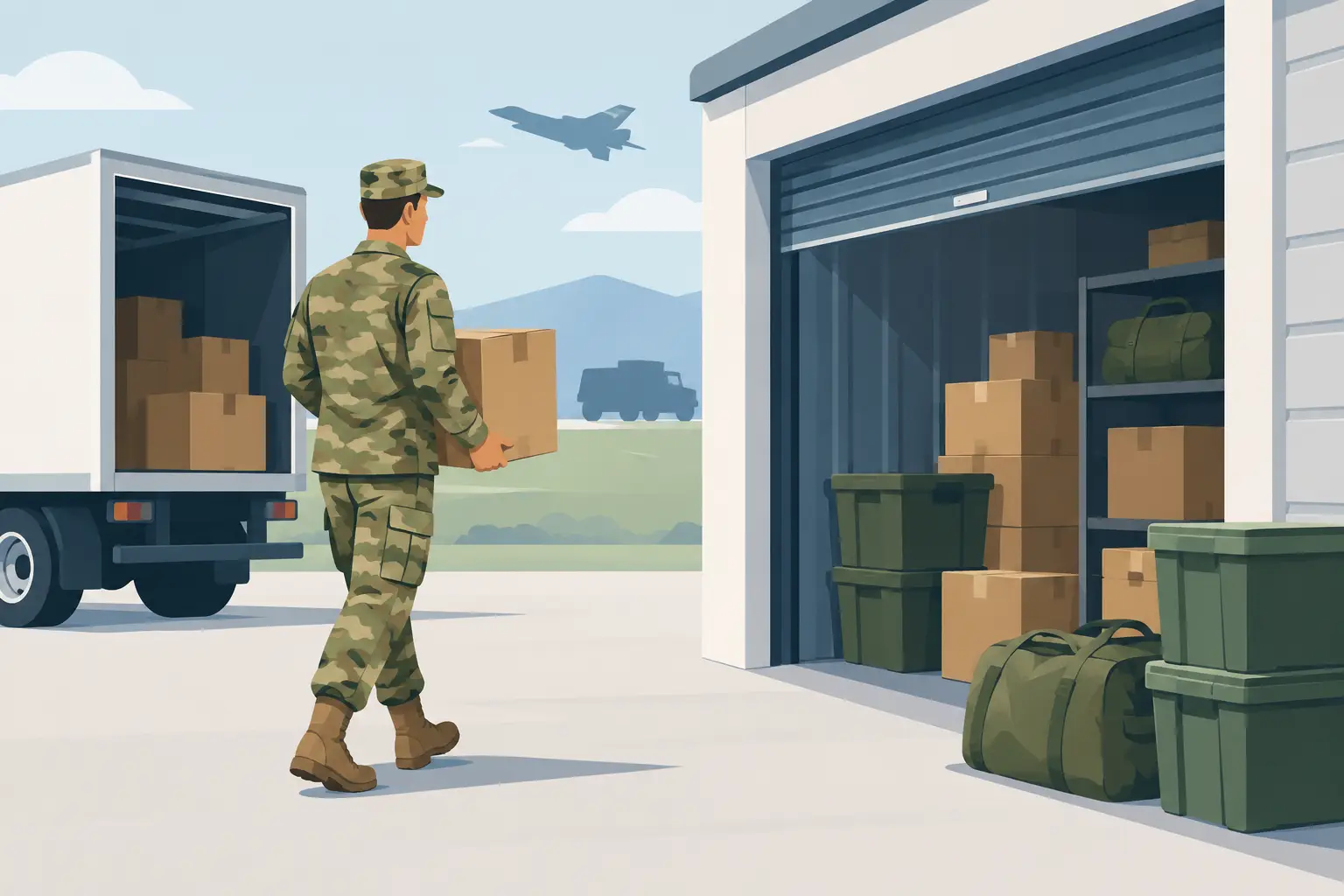
Your container may be sitting in a driveway, at a warehouse, or moving across town – but your stuff is still exposed. That is why mobile storage container insurance matters. If you are using a PODS-style container for a move, renovation, military transfer, college break, or downsizing project, the biggest mistake is assuming the storage company’s built-in protection is enough.
A lot of people do exactly that because it feels easy. You reserve the container, pack it, pay the monthly bill, and check the protection box without thinking twice. But when you look closer, many storage-provider protection plans are narrower, more expensive, and less flexible than people expect. That is where smart buyers separate convenience from actual coverage.
What mobile storage container insurance actually covers
At its core, mobile storage container insurance is designed to protect the personal property inside the container, not the container itself. That distinction matters. You do not usually own the steel box. What you care about is your furniture, electronics, clothing, keepsakes, business items, seasonal gear, and the rest of the things you cannot afford to lose.
Coverage can apply while your belongings are stored in the container and, depending on the policy, while the container is at a storage facility, in transit, or parked at your home. That is a major reason people look for real insurance instead of a limited protection plan. Mobile storage creates more than one risk environment. A container can be stationary for weeks, then loaded onto a truck, then dropped at another location. Each stage creates different exposure to weather, theft, fire, and accidental damage.
Not every policy covers every situation the same way. That is the trade-off. Some plans sound cheap until you realize they exclude common losses or cap payouts at low amounts. Others may cost less than facility-offered coverage while still giving broader protection, higher limits, and more meaningful covered causes of loss.
Why provider protection plans often fall short
This is where people overpay the most.
Many mobile storage companies offer some form of contents protection, but that does not always mean you are getting a true insurance policy. In many cases, what you are buying is a basic in-house protection program with tighter limits, more exclusions, or reimbursement rules that do not work in your favor when you actually have a claim.
The language can be confusing on purpose or at least convenient for the seller. The monthly charge may look small enough to ignore, so customers assume it is standard. But standard does not mean strong. A plan can be easy to add and still leave major gaps. Flood damage, named storms, water damage, or high-value contents may not be covered the way you think.
That is the problem with one-click protection sold at checkout. It is built to be accepted quickly, not always understood clearly.
Real insurance vs. a basic protection plan
If you are comparing options, the real question is simple. Are you buying actual insurance for your stored belongings, or are you paying extra for a limited promise from the storage provider?
Real insurance is generally underwritten by a licensed insurer and backed by defined policy terms. It is not just a goodwill arrangement or a facility-created reimbursement plan. That difference matters when your property is damaged by a covered loss and you need a claim handled properly.
It also matters on price. Many consumers assume buying direct from the storage company is the easiest route, so it must also be reasonable. Usually, that is where the markup lives. Shopping for mobile storage container insurance separately can mean stronger protection at a lower monthly cost. For price-conscious customers, that is the sweet spot – better coverage without the inflated add-on fee.
The losses that matter most
When people put items into mobile storage, they are usually in the middle of a transition. That means they are already juggling enough. A delayed closing, a renovation gone long, a cross-country move, or a temporary deployment is stressful before anything goes wrong.
The losses that hit hardest are usually the ones people did not think through. Water intrusion after a storm. Wind-related damage. Fire. Theft. Vandalism. Damage during storage periods that stretch longer than planned. In some cases, customers discover too late that the protection they paid for excluded one of the exact events most likely to happen.
That is why broader coverage matters more than marketing language. If your container is outside, weather is not a minor detail. If your belongings are being transported or handled multiple times, accidental damage is not far-fetched. If your unit contains thousands of dollars in personal property, low payout caps are not a bargain.
How much coverage do you actually need?
Most people underestimate the value of what is inside the container. A couch, mattress, dining set, TV, laptop, clothes, tools, kitchenware, decor, and a few boxed keepsakes can add up fast. Once you include replacement cost, the number gets even more serious.
That is why choosing the lowest available limit just to shave a few dollars off the monthly premium can backfire. If your contents are worth $12,000 and you bought a plan with a much lower cap, the savings disappear the second you need to file a claim.
A smarter approach is to total your property by category and be honest about replacement value. For some people, $5,000 is enough. For others, especially families, long-distance movers, or anyone storing an entire household, higher limits make more sense. Coverage up to $25,000 per unit can be a real advantage when your container holds more than the basics.
Mobile storage container insurance is not just for long-term storage
A common myth is that insurance only matters if your container will sit for months. Not true.
Short-term storage can be just as risky because it often involves more movement and more chaos. During moves and renovations, timelines change, containers get repositioned, weather shifts, and people pack in a rush. That is exactly when damage and loss become more likely. Even a short storage window can expose your belongings to meaningful risk.
So if you are only using the container for a few weeks, that is not a reason to skip coverage. It is a reason to make sure the coverage is efficient, affordable, and easy to start without a bunch of friction.
What to look for before you buy
Do not let the decision come down to the monthly price alone. Cheap coverage is expensive when it does not respond the way you expect.
Look at whether the product is a real insurance policy, what causes of loss are covered, whether flood and named storm events are included, what the limits are, and how simple it is to buy or switch. Also check whether the policy is designed specifically for self-storage and mobile storage contents rather than forced into a generic property category that does not fit your situation well.
This is also where direct-to-consumer insurance stands out. When you can quote online, choose your limit, add optional protections, pay digitally, and get covered without calling a facility office or dealing with sales pressure, the whole process gets a lot easier. Insurance should not feel harder than reserving the container.
For many customers, the best move is switching away from a provider’s overpriced plan to a stronger standalone option. That can mean better protection and real monthly savings at the same time. Yes, both are possible. You do not have to choose between affordable and legitimate.
Why smart shoppers are switching
Consumers are getting more skeptical, and honestly, they should. People have seen enough weak add-on plans in enough industries to know that convenience pricing is rarely the best deal.
Mobile storage customers want three things: real coverage, a fair monthly price, and a fast online experience. They do not want to read ten pages of vague promises. They do not want to overpay because a storage operator bundled in a thin protection plan. And they definitely do not want to find out after a loss that important events were excluded.
That is why direct insurance built for stored contents is gaining attention. It speaks to how people actually shop now. They compare, they question, and they want proof that they are not paying more for less. A provider like SnapNsure fits that shift by offering a real insurance policy backed by an A-rated underwriter, with broader protection and pricing built to save customers money instead of squeezing them for an easy add-on sale.
If your belongings are worth protecting, do not settle for the first plan offered at checkout. Get clear on what is covered, what is not, and what you are really paying for. A mobile container is temporary. The cost of replacing everything inside it is not.