
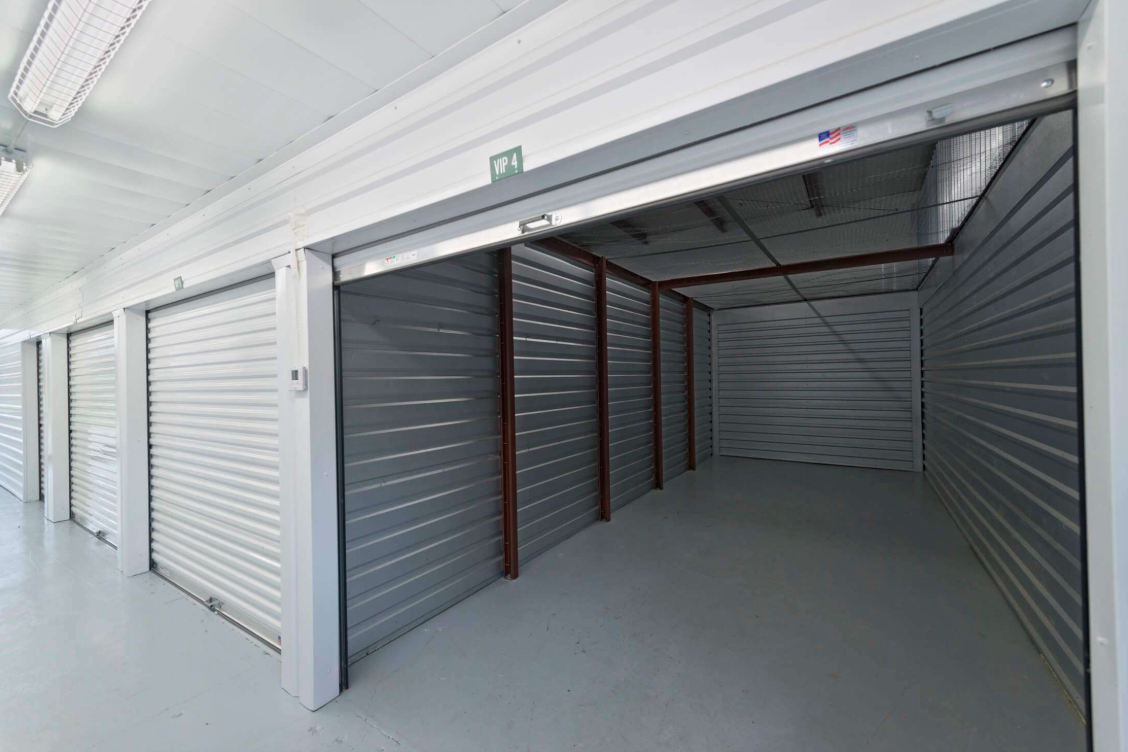
Millions of people rely on storage units to keep their extra belongings safe. From furniture and clothes to business items and seasonal goods, storage units offer extra space when homes feel full.
But here’s the reality — unexpected events can still happen. A sudden leak, fire, break-in, or storm damage can affect your stored items without warning. That is exactly why storage unit insurance matters. And when something goes wrong, knowing how to file a claim quickly can save you time, stress, and money.
This guide will walk you through everything in simple steps so you can handle a claim with confidence.
Why storage unit insurance matters
Storage units are usually secure, but they are not risk-proof. Accidents and natural events can still cause damage.
Common risks include:
- Fire or smoke damage
- Water leaks or flooding
- Theft or break-ins
- Certain weather-related events
This is where storage unit insurance becomes important. It helps protect your belongings financially if something unexpected happens.
Without it, you may have to cover all losses on your own. That can be expensive and stressful.
Step 1: Understand your coverage first
Before filing a claim, know what your policy covers. Most storage unit insurance plans protect against:
- Fire or smoke damage
- Water damage from leaks or floods
- Theft or vandalism
- Some natural disasters, depending on the policy
You may wonder, “Does renters insurance cover storage unit items?” Usually, renters insurance only offers limited coverage for off-site storage. That’s why a dedicated storage unit policy is safer.
Step 2: Act fast and document everything
Once you notice damage, do not wait.
Start by collecting clear evidence:
- Take photos of all damaged items
- Record videos of the storage unit
- Make a list of affected belongings
- Note when and how the damage happened
If water caused the damage, note the source, like a burst pipe or roof leak. Many policies cover cases like claiming insurance for water damage at public storage, so details matter.
Strong documentation makes your claim much smoother.
Step 3: Contact your insurance provider immediately
After documenting everything, contact your insurance provider as soon as possible.
You can usually reach them by:
- Phone
- Online claim portal
Ask simple questions like:
- “How do I start my claim?”
- “What documents do you need?”
- “Do I need to fill out a form?”
If you are wondering how to file a claim with a storage unit insurance provider, the process is usually very straightforward — report, submit documents, and wait for review.
Quick reporting helps avoid delays.
Step 4: Submit your claim with complete details
Now it is time to officially file your claim.
Most providers will ask for:
- Completed claim form
- Photos or videos of damage
- List of items affected
- Proof of ownership (receipts if available)
Make sure everything is clear and organized before submitting.
Missing information can slow down the process, so double-check before sending.
Many modern systems allow online submission, making it faster and easier.
Step 5: Work with the insurance adjuster
After you submit your claim, an insurance adjuster may review your case.
They may:
- Check your submitted documents
- Ask for additional details
- Inspect the storage unit (if needed)
- Confirm the cause of damage
This step is normal.
Be honest and clear when answering questions. The more accurate your information, the smoother the process will be.
Step 6: Receive your compensation
Once your claim is approved, you will receive compensation based on your policy.
This may include:
- Replacement cost of items
- Actual cash value (after depreciation)
- Repair or cleanup costs (if covered)
The payout depends on your plan’s coverage limit and terms. That is why choosing the right storage unit insurance coverage at the start is so important.
You can also check a storage unit insurance quote online to see options that fit your needs and budget.
Step 7: Learn from the experience
After your claim is completed, take a moment to review your coverage.
Ask yourself:
- Was my coverage enough?
- Did I understand my policy clearly?
- Should I adjust my coverage for the future?
This helps you stay better prepared next time.
Common claim situations
Here are some real-life situations where claims often happen:
1. Water damage: Leaks or flooding can damage boxes, furniture, and stored goods. Many policies cover water-related incidents depending on the cause.
2. Theft or break-ins: Even secure storage facilities can sometimes face break-ins. Insurance helps reduce financial loss.
3. Fire or smoke damage: Unexpected fires can damage entire storage units. Insurance helps cover replacement costs.
How SnapNsure simplifies the claim process
Filing a claim can feel stressful, but modern systems make it much easier. SnapNsure is designed to simplify storage protection and claims. It offers:
- Easy online claim process
- Clear step-by-step guidance
- Fast submission options
- Simple documentation requirements
SnapNsure also focuses only on storage protection, making it easier to understand compared to general insurance plans.
Policies are underwritten by The Hartford Insurance Company, a trusted name in insurance with over 200 years of experience and an A+ rating for financial strength. With nationwide availability and transparent coverage, renters can focus less on confusion and more on protection.
Tips for a smooth storage insurance claim
Keep these simple tips in mind:
- Report damage immediately
- Take clear photos and videos
- Save receipts when possible
- Keep all communication records
- Understand your coverage limits
These small steps can make a big difference in claim approval speed.
Do renters insurance policies help?
Some people ask if renters insurance covers storage units. In many cases, renters insurance offers limited protection for off-site storage. However, it may not fully cover all situations or provide enough protection for stored belongings.
That is why many people prefer dedicated storage coverage for better clarity and protection.
Protect What You Store!
Filing a storage unit insurance claim does not have to feel complicated or overwhelming. Once you understand the process, it simply becomes a clear set of steps—document the damage, report it quickly, and stay organized from start to finish.
Speed matters in situations like water damage, theft, or fire. The faster you act, the smoother your claim process will be. With the right storage unit insurance, you are not just protecting physical items—you are protecting your peace of mind when the unexpected happens.
SnapNsure makes this experience even simpler. It offers fast online access, easy claims support, and storage-focused coverage designed for real storage needs. Backed by The Hartford Insurance Company, with over 200 years of experience and an A+ rating, it delivers trusted protection you can rely on.
Don’t wait for a loss to happen—get storage unit insurance today and stay protected with confidence.
FAQs
1. How to file a claim with my storage unit insurance provider?
Start by documenting damage with clear photos or videos. Then contact your provider, complete claim forms, and submit proof of loss along with all required supporting documents quickly.
2. What documents do I need to file a storage insurance claim?
You usually need photos of damage, receipts if available, a list of items, and sometimes a police report for theft cases. These help verify and process your claim faster.
3. Does renters insurance cover storage unit losses?
Some renters insurance policies offer limited coverage for off-site storage. However, protection may be restricted, so dedicated storage insurance is often more reliable for full and clearer coverage.
4. Can I claim insurance for water damage at Public Storage?
Yes, if your policy includes water damage coverage. Always check policy terms carefully, since coverage depends on the cause and type of water damage involved in the incident.
5. What’s the benefit of getting a storage unit insurance quote?
A storage unit insurance quote helps you compare coverage options, pricing, and benefits. It allows you to choose the right protection before renting or storing your belongings safely.
6. How long does a storage insurance claim take to process?
Most storage insurance claims take a few days to a few weeks depending on documentation, provider review, and complexity of the damage or loss reported.
7. Can I file a storage insurance claim without receipts?
Yes, you can still file a claim without receipts. However, photos, item descriptions, and estimated values help support your claim and improve approval chances.
8. Are all types of damage covered under storage insurance?
No, coverage depends on the policy. Most plans cover fire, theft, and certain water damage, but exclusions may apply for specific events or situations.
9. Can I update my storage insurance coverage after filing a claim?
In most cases, coverage changes cannot be applied to an active claim, but you can usually adjust your policy for future storage needs after the claim is resolved.
10. Do I need to visit the storage facility to file a claim?
Not always. Many providers allow you to file claims online or by phone, but photos or facility confirmation may still be required for verification.