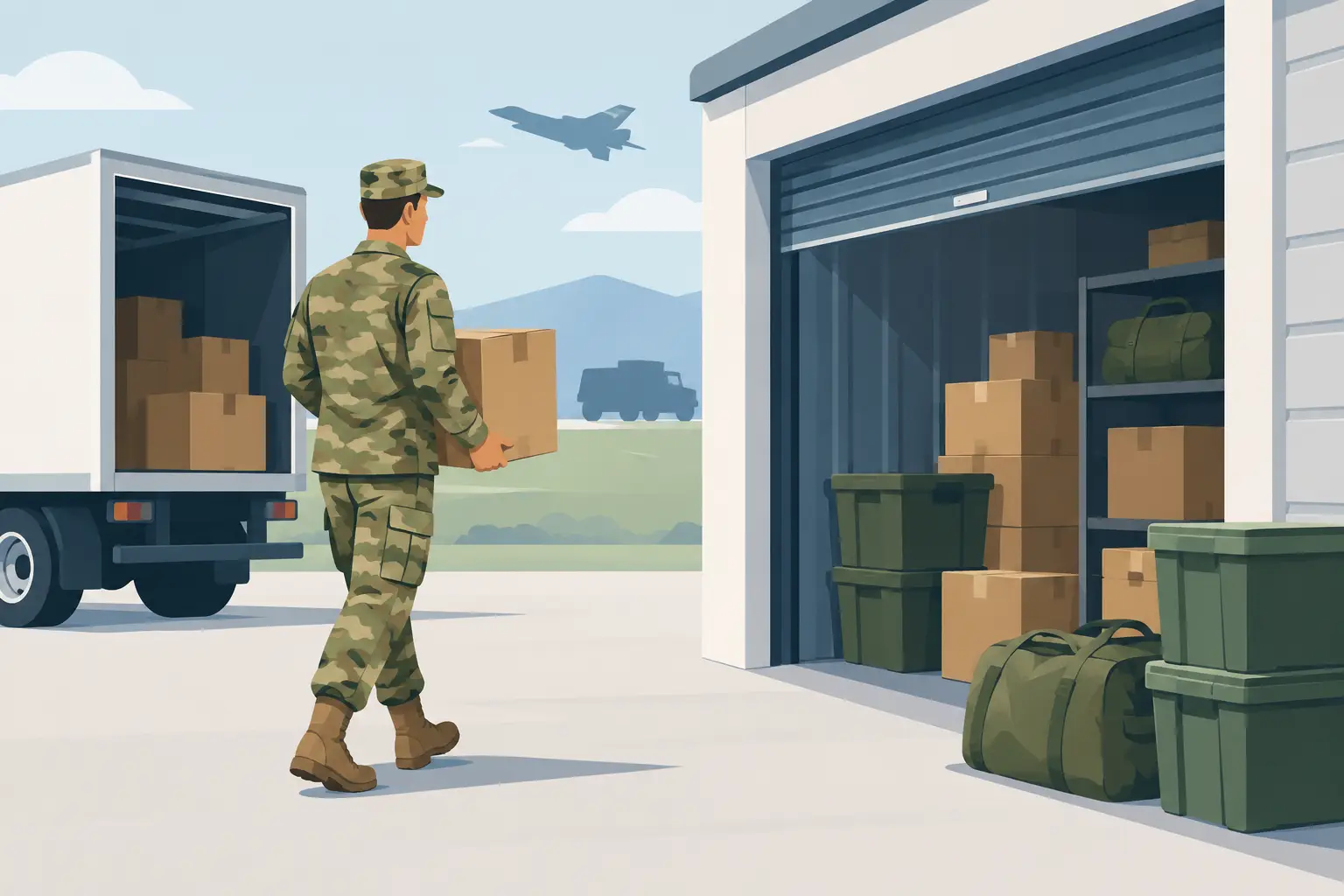
A storage unit can look like a simple extra closet. But once it holds family furniture, electronics, tools, clothing, documents, or the contents of a move, it becomes a real financial risk. To protect stored valuables, you need more than a lock on the door and a vague promise that the facility has security cameras.
The hard truth is that storage facility protection plans are not always the same as insurance. Many have lower limits, narrower coverage, and exclusions that only become obvious after something goes wrong. A smarter approach starts with knowing what you own, securing it well, and choosing coverage built for the risks your belongings actually face.
Start With the Value Inside the Unit
Most people underestimate how much is sitting in storage. One sofa, a mattress set, a TV, a set of power tools, kitchen supplies, seasonal clothes, and a few boxes of keepsakes can add up fast. If you are between homes, renovating, downsizing, or using a mobile container during a move, the total can easily reach several thousand dollars.
Before you choose a coverage limit, make a quick inventory. Walk through your home before packing, take photos or video of major items, and write down approximate replacement costs. Keep serial numbers for electronics, appliances, cameras, musical equipment, and tools when available. Save receipts or appraisals for unusually valuable items.
This is not busywork. It helps you avoid two expensive mistakes: buying too little coverage because you guessed low, or paying for a limit far above what you need. It also gives you a much better record if you ever need to file a claim.
For items with special value, read the policy carefully. Jewelry, collectibles, fine art, cash, business inventory, and certain high-value items can have separate limits or exclusions. Do not assume every item is covered the same way just because it is inside the same unit.
Choose Real Coverage, Not Just a Facility Add-On
Storage operators often offer a protection plan at move-in. It may be convenient, but convenience is not the same as strong protection. Some plans are limited, may not cover common causes of loss, or can cost more than a separate policy designed for stored contents.
Ask direct questions before accepting any plan: Is this an actual insurance policy? What is the coverage limit? Is there a deductible? Does it cover theft, fire, water damage, vandalism, wind, flood, or named storms? Does it apply to a portable or mobile storage container? What items are excluded?
The answer matters because a standard homeowners or renters policy may provide limited off-premises coverage for belongings in storage, but that varies widely. Your deductible could also be higher than the value of a smaller loss. If you are using a PODS-style container, valet storage, or another mobile storage option, coverage can be even more complicated.
A standalone policy can give you a clearer, more focused way to insure what is in storage. SnapNsure offers real insurance policies for traditional units and many mobile storage options, with coverage limits up to $25,000 per unit and protection that can include flood and named storms. That is a meaningful difference when your belongings are exposed to risks that basic facility plans may leave out.
Price matters too. Do not assume the facility’s plan is your easiest or best-value option. Compare the monthly cost, limits, deductible, and covered causes of loss side by side. Paying less for weaker protection is not a win. But neither is paying inflated monthly fees for coverage you could get more affordably elsewhere.
Protect Stored Valuables Before You Close the Door
Insurance is your financial backstop. Good storage practices reduce the odds you will need it in the first place.
Start with the unit itself. A clean, dry, well-maintained facility is worth more than flashy marketing. Look for controlled access, good lighting, working cameras, secure perimeter fencing, and visible maintenance. Cameras do not guarantee that a loss will not happen, but they are part of a stronger overall security setup.
Choose a quality disc lock or cylinder lock instead of a lightweight padlock. These locks are harder to cut or pry open than many basic locks sold at storage offices. Never share your access code casually, and change it promptly if a mover, contractor, former roommate, or family member no longer needs access.
Inside the unit, keep valuable items out of immediate view. Put electronics, collectibles, and small high-value belongings toward the back or inside opaque, labeled containers. Avoid labels that advertise what is inside, such as “designer handbags” or “gaming console.” Use neutral labels or a numbered inventory system that only you understand.
A few packing choices also make a big difference:
- Raise boxes and furniture off the floor with pallets, shelving, or plastic bins.
- Use waterproof totes for photos, papers, textiles, and electronics when practical.
- Cover furniture with breathable moving blankets or cloth covers, not tightly sealed plastic that can trap moisture.
- Leave a narrow aisle so you can inspect the unit without shifting every box.
- Place heavier boxes at the bottom and avoid stacking fragile items where they can be crushed.
Climate control can be worth the added monthly cost for wood furniture, musical instruments, electronics, photographs, books, antiques, leather, and artwork. It will not replace insurance, but it can reduce damage from heat, humidity, and extreme temperature swings. Whether it is necessary depends on your climate, the length of storage, and what you are storing.
Watch for Water Risk, Not Just Theft
Theft gets the attention, but water damage is one of the most common reasons stored belongings are ruined. A unit can be locked securely and still suffer damage from a roof leak, plumbing issue, burst pipe, groundwater, or severe weather.
Before signing, inspect the unit closely. Look along the ceiling, corners, door frame, and floor for staining, rust, musty odors, peeling paint, or signs of pests. Ask whether the unit is on ground level, how drainage works around the building, and whether the facility has had flood issues before. A lower-priced unit is not a bargain if it sits in a location with obvious water exposure.
Do not place boxes directly against exterior walls. Leave a little airflow around them and keep the most sensitive belongings elevated. Check your unit periodically, especially after heavy rain, a hard freeze, hurricanes, or major storms. A quick visit can catch a leak or pest issue before it destroys everything in the back of the unit.
Mobile storage requires the same attention. If a container is parked in a driveway, at a construction site, or during a long-distance move, ask where it will be kept, how it is secured, and what weather exposure it may face. The convenience of portable storage is real, but so are the added transit and outdoor-storage risks.
Keep Your Coverage Current When Life Changes
Storage is often temporary, but “temporary” has a way of stretching from a few weeks into a year or more. Your inventory can change during that time. You might add furniture after a move, store equipment during a renovation, or replace a damaged item with a more expensive version.
Review your coverage whenever you add significant value to the unit, move to a different facility, switch from a fixed unit to mobile storage, or extend your storage timeline. A policy that fit at the start of the move may not fit six months later.
Also keep your policy documents, inventory, photos, and receipts somewhere other than the storage unit. Cloud storage, an email folder, or a secure folder at home can work well. If the unit is damaged or inaccessible, you should still be able to prove what was inside.
The Smartest Storage Decision Is Made Before a Loss
You cannot predict a break-in, storm, fire, or water problem. You can decide not to leave thousands of dollars of belongings protected by a cheap lock and a thin plan you never fully read.
Take an inventory, secure the unit, compare real coverage options, and choose a limit that reflects the true cost to replace what is inside. Then check on your unit and update your protection as your life changes. The best time to protect what you store is while every box is still dry, secure, and exactly where you left it.