
Quick Overview: Choosing between monthly and annual storage unit insurance depends on how long you plan to rent your storage unit and the level of flexibility you want. This guide explains the differences, compares the benefits of each option, and highlights the key features to consider before selecting coverage, so you can make a confident and informed decision.
When you rent a storage unit, protecting your belongings is just as important as choosing the right facility. One question many renters ask is whether monthly storage insurance is a better option than paying for an annual policy.
The answer depends on your storage plans, budget, and how long you expect to keep your items in storage. In many situations, monthly coverage offers more flexibility without locking you into a long-term commitment. Before making a decision, it helps to understand how each option works and what kind of protection you actually need.
How Monthly Storage Insurance Works
Monthly storage insurance is designed to match the way many people use storage units. Instead of paying for a full year upfront, you pay month by month while your belongings remain in storage.
This approach works well if you’re:
- Moving to a new home
- Renovating your house
- Storing seasonal items
- Keeping business inventory in storage
- Unsure how long you’ll need the unit
If your storage needs change, you can stop paying once you no longer need the coverage, subject to your policy terms.
What About Annual Coverage?
Annual coverage can be useful if you know your belongings will stay in storage for an entire year or longer. Paying once may seem convenient because you don’t have to think about monthly payments.
However, annual coverage isn’t always the most flexible option. If you empty your storage unit sooner than expected, you may have already paid for coverage you no longer need. For many renters, flexibility matters just as much as price.
Compare Your Storage Timeline
Before choosing a policy, ask yourself a few simple questions:
- How long will my belongings stay in storage?
- Could my moving plans change?
- Do I expect to switch storage facilities?
- Would monthly payments fit my budget better?
If your answers aren’t certain, monthly coverage often makes more sense.
Don’t Assume Every Policy Offers the Same Protection
Many people focus only on price, but coverage limits can vary significantly.
Some storage insurance providers generally offer coverage limits ranging from only a few thousand dollars up to around $5,000 per storage unit. If you’re storing the contents of an entire home or valuable everyday belongings, that amount may not be enough.
SnapNsure offers storage unit insurance with coverage of up to $25,000 per unit, giving customers the opportunity to choose protection that better matches what they’re storing. Policies are underwritten by The Hartford Insurance Company, a company with more than 200 years of insurance experience and an A+ financial strength rating.
Monthly Coverage Doesn’t Mean Paying More
Some people believe monthly insurance automatically costs more over time. That’s not always true. Instead of paying for months you may never use, monthly policies allow you to pay while your storage unit is actually occupied. This can make budgeting easier, especially during a move when expenses tend to add up quickly.
It’s also worth knowing that SnapNsure is licensed nationwide, and its pricing remains the same across the country. Whether your storage facility is in a large city or a small town, pricing does not change based on location.
Climate-Controlled Units Still Need Protection
A common misconception is that storing items in a climate controlled self storage facility eliminates the need for insurance.
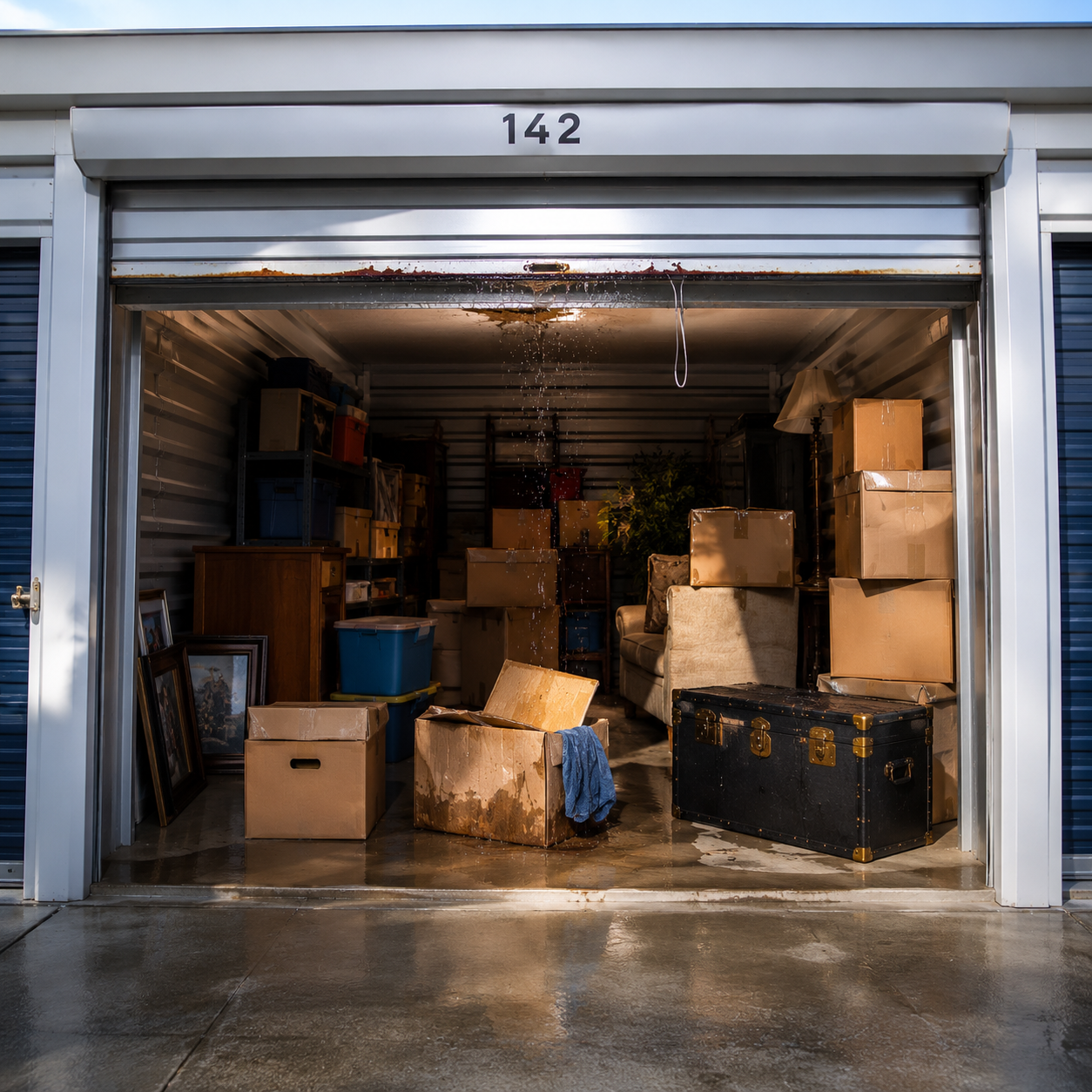
Climate control helps regulate temperature and humidity, but it doesn’t prevent every type of unexpected event. Fire, burglary involving forced entry, vandalism, smoke damage, lightning, and certain types of water damage can still occur. Coverage helps protect against these covered risks based on your policy.
Another advantage is that SnapNsure does not charge higher premiums for climate-controlled units, so you receive the same pricing regardless of the storage environment.
Understand Deductibles Before You Buy
Coverage limits are important, but deductibles matter too.
For SnapNsure policies:
- Policies with coverage of $10,000 and under have a $100 deductible.
- Policies above $10,000 have a $500 deductible.
Knowing these amounts ahead of time helps you choose coverage that fits both your storage needs and your budget.
Can Existing Coverage Protect Your Storage Unit?
Some people search online to see whether renters insurance cover storage unit contents. The answer depends entirely on the individual policy, its terms, and any limitations it may include.
Rather than assuming another policy will provide enough protection, many storage renters prefer purchasing storage unit insurance specifically designed for belongings stored in rented storage units. That way, they know exactly what protection they have and what coverage limits apply.
Don’t Let Special Promotions Decide Your Insurance
You may find storage facilities advertising promotions like self storage $1 first month to attract new renters.
While these offers can reduce your initial rental cost, they shouldn’t be the deciding factor when choosing insurance. The more important question is whether your belongings have appropriate protection while they’re stored.
Looking beyond introductory promotions helps you focus on long-term value instead of short-term savings.
Choosing the Right Option
Monthly storage insurance is often the better choice if your storage plans could change, you prefer manageable monthly payments, or you simply want flexibility without paying for unused coverage.
If you know you’ll be storing your belongings for an extended period, comparing both monthly and annual options is still worthwhile. The goal isn’t just finding the lowest price—it’s selecting coverage that fits your situation.
Make a Smarter Storage Insurance Decision
Choosing storage unit insurance isn’t just about finding the lowest monthly premium. It’s about choosing reliable protection that gives you confidence throughout your storage rental. As you compare providers, consider coverage limits, deductibles, nationwide availability, and the strength of the company behind the policy.
SnapNsure offers coverage of up to $25,000 per storage unit, with policies underwritten by The Hartford Insurance Company, an A+ rated insurer that has been providing insurance solutions for more than 200 years.
Don’t wait until an unexpected event catches you off guard!
Get a free online quote from SnapNsure today and secure trusted storage unit insurance in just minutes, so you can store your belongings with greater peace of mind.
FAQs
1. Is monthly storage insurance better than annual coverage?
Monthly storage insurance offers greater flexibility if your storage needs may change, while annual coverage may suit long-term renters who know they’ll need protection year-round.
2. How do I choose between monthly and annual storage unit insurance?
Consider how long you’ll use your storage unit, your budget, and whether your plans could change before deciding which coverage option fits your needs.
3. Does renters insurance cover storage unit belongings?
Whether renters insurance cover storage unit contents depends on the individual policy. Review your coverage carefully instead of assuming your belongings are fully protected.
4. Do I need storage unit insurance for a climate-controlled storage unit?
Yes. A climate controlled self storage unit helps manage temperature and humidity, but it doesn’t eliminate every risk that insurance may help cover.
5. Is storage unit insurance required?
Some storage facilities require tenants to have storage unit insurance, while others leave the decision up to the renter. Always check your rental agreement.