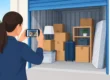

A storage container in your driveway and a unit inside a storage facility may hold the same belongings, but they do not face the same risks. The mobile container versus warehouse coverage question matters because where your property sits, how it moves, and who controls the location can all affect what protection you actually have when something goes wrong.
If you are packing up for a move, renovating, downsizing, or storing belongings between homes, do not assume the plan offered by a storage company gives you the same protection in every setting. Many facility plans are limited, exclusions can be significant, and the word “coverage” does not always mean you are buying a true insurance policy.
Mobile container versus warehouse coverage: the real difference
Traditional self-storage typically means your belongings stay in one fixed unit at a facility. You bring items to the location, lock the unit, and retrieve them when needed. A mobile storage arrangement is different. A company drops a portable container at your home, you load it, and the container may remain in your driveway, move on a truck, or be stored at a warehouse or storage yard.
That added movement creates more than a logistical difference. Your belongings may be exposed to vehicle accidents, shifting contents during transport, theft from a container parked at a residence, or weather while the unit is outside. Once the container reaches a warehouse, it may be one of many units under a roof, but its prior and future travel still matter.
Warehouse storage has its own risks. Fire, water damage, burglary, roof leaks, and damage from other customers can affect a fixed storage unit or a container held indoors. The location may feel more secure than a driveway, but a building is not a force field. A better question than “Is it indoors?” is “What losses are covered, what is excluded, and how much can I actually recover?”
Why a provider protection plan may not be enough
Storage operators often offer a protection plan at checkout. It is convenient, and that is exactly why many customers accept it without comparing the details. But convenience is not the same thing as value.
Some storage-provider plans are not insurance policies. They may be limited protection programs with narrow terms, low maximum payouts, specific exclusions, or requirements that can make a claim harder than expected. A plan may also treat water, flood, named storms, mold, pests, vermin, and certain high-value belongings differently from a true contents insurance policy.
This does not mean every facility plan is worthless. It means the details decide whether it is worth the monthly price. Before accepting any plan, ask whether it covers your belongings while the container is at your home, in transit, and at the company warehouse. If the answer is unclear, do not fill in the blanks with assumptions.
Your homeowners or renters policy may have limits too
Many people assume their homeowners or renters insurance will handle stored belongings. Sometimes it helps, but off-premises coverage often comes with lower limits, a deductible, and restrictions that may not match the value of what is in storage.
For example, your policy may cover personal property away from home only up to a percentage of your total coverage. A loss could also trigger a deductible that makes a smaller claim impractical. Certain property categories, including jewelry, collectibles, electronics, business property, and cash, may have separate limits or exclusions.
Mobile storage can add another layer of uncertainty. The container is not always at your residence, and it may be traveling across town or across state lines. Relying on a standard home policy without confirming its storage and transit terms can leave you paying for protection you thought you had but cannot use when it counts.
What to compare before you choose coverage
Start with the type of storage you are using, then match the policy to the full journey of your belongings. A container that will sit in your driveway for two weeks needs different consideration than a stationary unit you visit every month.
Look beyond the advertised monthly price. The lowest price is not a bargain if the limit is too low to replace your property or if major causes of loss are excluded. You should compare the maximum coverage available, the deductible, covered loss types, excluded property, and whether coverage applies during storage and transportation.
Pay close attention to weather-related language. Flood and named storm damage are common blind spots in storage protection plans, especially for customers who assume an indoor warehouse eliminates weather exposure. Heavy rain can lead to water intrusion. Storm damage can affect a facility, a storage yard, or a container before it reaches the warehouse.
Also check whether the policy covers the value you need. Make a quick inventory before selecting a limit. Furniture, appliances, clothing, tools, electronics, family heirlooms, and boxes of household goods add up faster than most people expect. Taking photos and saving receipts for major items can make a future claim far easier to support.
A simple way to choose the right limit
You do not need an insurance degree to make a smart decision. Estimate what it would cost to replace the contents of your unit, not what you originally paid for every item. Replacement cost is what matters when you need to buy a new sofa, television, bedding, kitchen equipment, or set of tools after a covered loss.
If your stored property is worth $8,000, choosing a $2,000 limit just to save a few dollars each month is false savings. On the other hand, paying for $25,000 of coverage when you have only a few boxes and a mattress may not make sense either. Choose a limit that reflects your real exposure.
Your storage arrangement can change, too. You may begin with a mobile container during a move, then keep it in warehouse storage for several months. If you add more property or move to a larger unit, revisit your coverage amount. Insurance should keep up with the belongings you are trying to protect.
The stronger option is real insurance
A real storage contents insurance policy is designed to protect the personal property inside your storage unit or mobile container. That distinction matters. You are not simply accepting a provider’s in-house plan because it appears on the final checkout screen. You are choosing coverage based on what is best for your belongings and your budget.
SnapNsure offers monthly storage contents insurance built for traditional units and mobile storage solutions, with higher limits up to $25,000 per unit and protection for losses that basic storage plans may leave out. That includes flood and named storm coverage, subject to policy terms and conditions. Customers can get a quote online, select the coverage they need, and avoid overpaying for thin protection attached to a storage rental.
The goal is not to buy the most expensive policy. It is to stop paying premium prices for limited protection. If a storage company is charging a monthly fee for a plan with unclear exclusions or low limits, compare it against a true insurance policy before you commit.
When warehouse coverage may be enough, and when it is not
If your belongings stay in one indoor unit at a well-managed facility, your risk profile may be simpler. You may need straightforward contents coverage for common losses and a limit that reflects the value of your property. But simple does not mean automatic. A warehouse can still suffer fire, theft, water damage, or storm-related loss.
If you use a portable container, expect more variables. Ask whether the container will be parked outside, transported, or held in a warehouse. Confirm coverage for each stage before the company arrives at your home. This is especially relevant for long-distance moves, extended renovations, and any situation where the container changes location more than once.
The right policy depends on your property, your location, and your storage setup. The wrong move is treating storage coverage as an afterthought after the container is loaded and the truck has pulled away.
Before you seal the last box, take ten minutes to estimate your contents, read the offered plan’s exclusions, and compare it with real insurance. That small step can protect far more than your furniture. It can protect your budget when a storage problem becomes a real loss.