
A mobile storage container can make a move, renovation, or temporary transition much easier. Pack it at your pace, keep it on your property or have it moved, then retrieve it when life settles down. But convenience does not erase risk. The top risks for mobile storage can follow your belongings from your driveway to the road, the storage yard, and back again.
That matters because many customers assume the container company automatically has their stuff covered. Often, the protection offered at checkout is limited, expensive for what it provides, or full of exclusions that only become obvious after a loss. Your furniture, electronics, clothing, keepsakes, and household essentials deserve more than a vague promise of “protection.” They deserve a real insurance policy built for stored belongings.
The Top Risks for Mobile Storage
Mobile storage has a different risk profile than a fixed self-storage unit. Your belongings may be loaded into a container, transported on public roads, stored outdoors, and handled more than once. The right protection starts with understanding where a loss can happen.
Transit damage and shifting contents
The container may look stationary when you load it, but it may later travel across town or across state lines. Potholes, sudden stops, tight turns, uneven loading, and vibration can cause boxes to shift. A poorly packed container can turn one hard brake into damaged furniture, crushed cartons, broken glass, or toppled appliances.
This is not a reason to avoid mobile storage. It is a reason to pack with the trip in mind. Put heavier boxes on the floor, distribute weight evenly, fill empty spaces, use moving blankets around large items, and secure furniture so it cannot slide. Still, careful packing cannot prevent every incident on the road. Coverage that responds to covered damage during transit can make the difference between a frustrating disruption and a major financial setback.
Theft and break-ins
A locked container is not the same thing as guaranteed security. Mobile storage units may sit in a driveway, outside a home during a renovation, at a storage facility, or in a storage yard. Every location creates a different theft exposure.
Use a quality disc lock or other lock recommended for the container, keep the access door out of sight where possible, and avoid advertising that valuable property is inside. Do not leave the key or access code where contractors, visitors, or neighbors can easily find it. These steps reduce opportunity, but they do not replace insurance. Theft can happen even when you do everything right.
Before relying on any plan, check whether theft is covered, what proof may be required, and whether there are dollar limits for certain categories of belongings. Some storage-provider programs are not insurance policies at all. They may offer narrower reimbursement terms, lower limits, or exclusions that leave customers paying out of pocket after a break-in.
Water damage, flooding, and named storms
Water is one of the costliest risks in storage because it can destroy multiple items at once. A leak, wind-driven rain, pooling water, flood conditions, or a named storm can damage boxes from the bottom up. Upholstered furniture, clothing, books, mattresses, electronics, and family photos are especially vulnerable.
Mobile containers are designed to protect contents, but no container should be treated like a waterproof vault. Keep everything off the floor with pallets or shelving when possible. Use plastic bins for items that cannot tolerate moisture. Wrap upholstered and wood furniture, and never store damp rugs, towels, or clothing. Trapped moisture can create mold and mildew before you notice a problem.
The coverage question is just as critical. Flood and named storm losses are commonly where cheap or limited protection plans disappoint customers. If you are storing property in a region with hurricane exposure, heavy rain, flash flooding, or seasonal storms, do not assume those events are included. Read the policy terms before the weather forecast gives you a reason to wish you had.
Fire, smoke, and nearby property damage
Fire risk does not disappear because your belongings are inside a steel container. A fire in a neighboring structure, vehicle, storage yard, or nearby home can lead to flames, heat damage, or smoke contamination. Smoke can ruin clothing, upholstery, electronics, and items that cannot simply be wiped clean.
Keep flammable materials out of your unit. Gasoline, propane tanks, fireworks, paint thinner, ammunition, and hazardous chemicals do not belong in storage. Beyond being dangerous, prohibited items can complicate a claim and may violate the storage company’s agreement. For everything else, look for storage contents insurance that addresses covered fire and smoke losses rather than relying on a basic plan with unclear limits.
Weather, temperature, and humidity
Not every loss is a dramatic disaster. Extreme heat, freezing temperatures, and humidity can slowly damage property over time. Wood can warp, leather can crack, photographs can curl, and sensitive electronics can suffer in harsh conditions. Temperature exposure is especially relevant if the container is kept outside for weeks or months.
This is one area where prevention does much of the work. Do not store irreplaceable photos or delicate documents in ordinary cardboard if you can avoid it. Consider climate-controlled storage for high-value antiques, musical instruments, wine, fine art, or temperature-sensitive equipment. Mobile storage is a strong fit for many household goods, but it may not be the best fit for every item.
Insurance also has limits here. Wear and tear, gradual deterioration, mold, and damage caused by improper packing may not be covered. A good policy is a financial backstop for sudden covered losses, not a substitute for choosing the right storage environment.
Accidental damage during loading and unloading
The most chaotic moments are often move-in and move-out. A dresser gets dropped down a ramp. A television takes a hit from a dolly. A box labeled “fragile” ends up under a stack of books. If movers, friends, or family members are helping, the chance of accidental damage rises with every extra set of hands.
Take photos of high-value belongings before loading. Keep receipts, appraisals, and serial numbers for major purchases. Label boxes clearly, and place fragile items where they will not bear weight. Documentation will not prevent a loss, but it can make the claims process far less stressful if something goes wrong.
Why Basic Mobile Storage Protection Can Fall Short
The word “protection” sounds reassuring, but it does not always mean insurance. A storage company’s plan may have a low maximum payout, limited covered causes of loss, high exclusions, or a requirement that you prove a specific type of damage. It may also cost more than customers expect month after month.
That does not mean every provider plan is worthless. It means you should compare the actual protection, not the label on the checkout screen. Ask what is covered during transit, whether flood and named storms are included, what the coverage limit is, and whether your belongings are covered while the container is at your home, in transit, or in storage. Then compare the price.
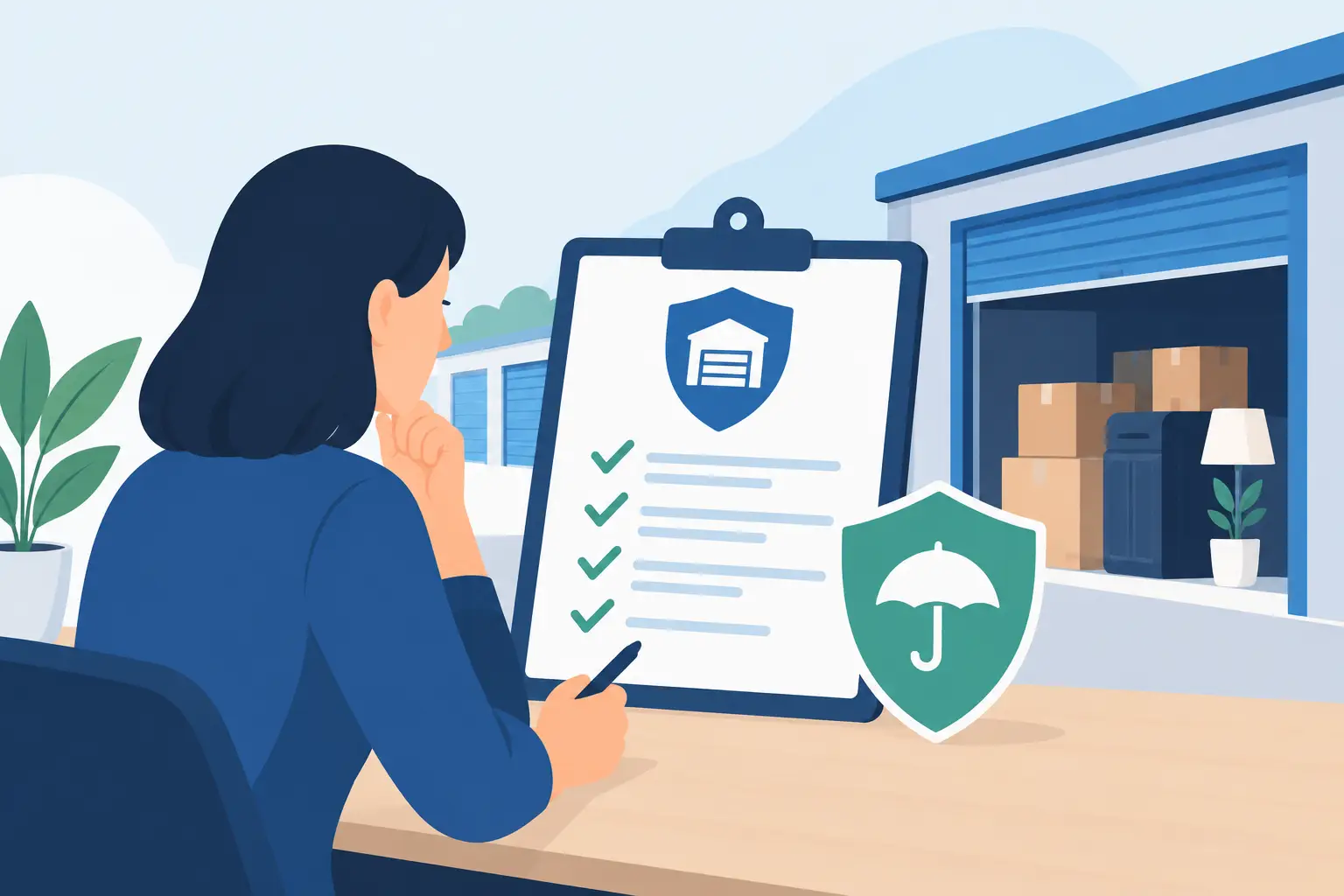
For many customers, a standalone storage contents policy offers a clearer path. SnapNsure provides real insurance from an A-rated underwriter, with coverage limits up to $25,000 per unit and options designed for both traditional and mobile storage. Customers can often save 50% or more compared with storage-operator plans while getting meaningful protection for the risks that matter.
Choose Coverage Before the Container Is Full
Waiting until the container is packed is a common mistake. Once your possessions are sealed inside, it is easy to put insurance on the “handle later” list. But losses do not wait for a convenient time. A storm can arrive during a driveway delivery. A theft can happen overnight. Damage can occur on the first trip.
Start by estimating what you are storing, not just what the container cost. Add up furniture, electronics, clothing, kitchen items, tools, hobby equipment, and other property you would need to replace. Be realistic. A few rooms of household belongings can add up quickly.
Then choose coverage that fits the value of your contents and the way you are using the unit. If your container will travel, confirm transit protection. If it will sit outside during storm season, pay close attention to water and named storm coverage. If you have high-value individual items, review applicable limits and any special requirements before you buy.
Your mobile storage container should make life easier, not leave your belongings exposed to a preventable financial loss. Pack smart, secure the unit, document what you own, and choose real coverage before the first box goes inside.