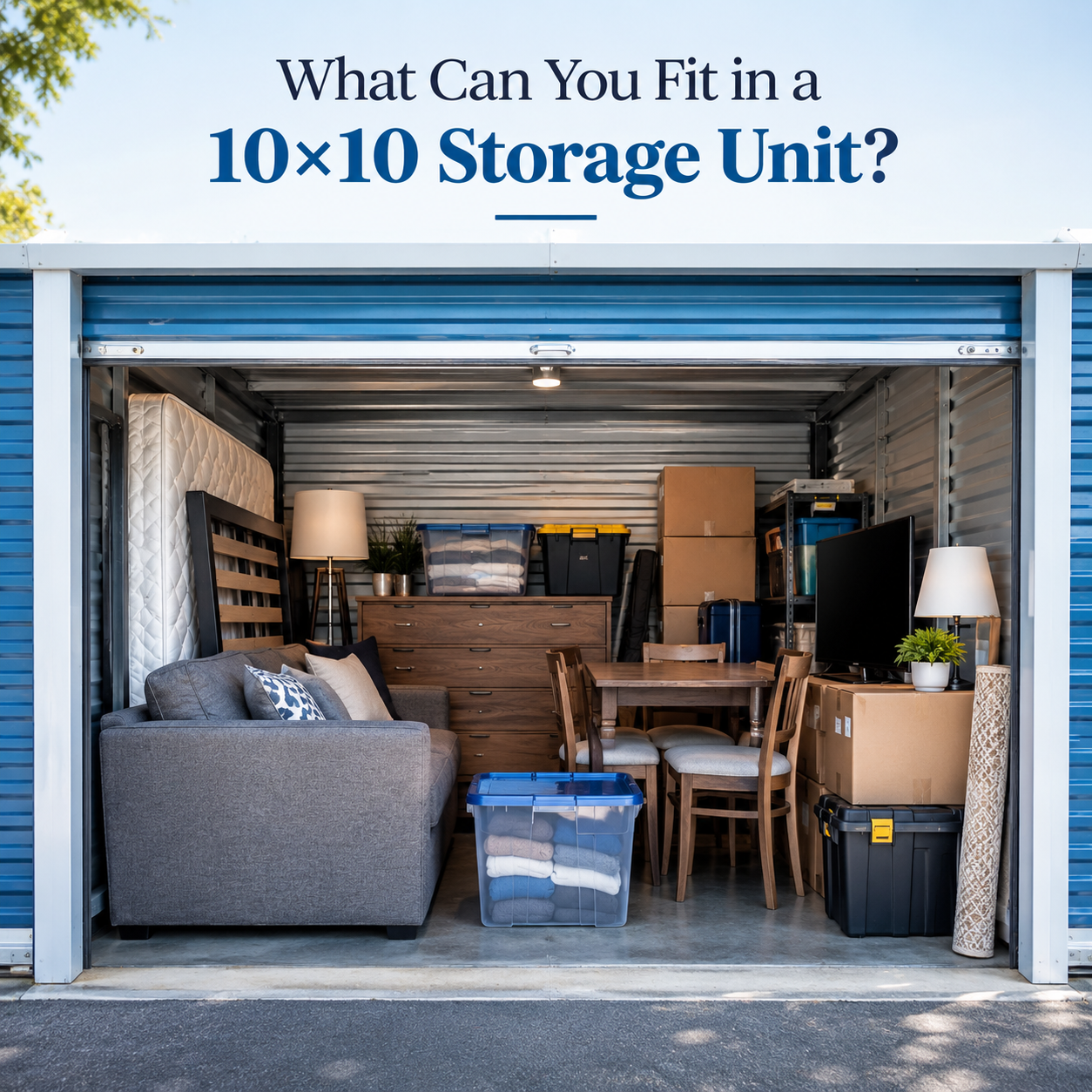

Storing expensive furniture takes more than finding the right storage space. You also need to know what your belongings would cost to replace and how to protect them. This blog explains how to estimate furniture replacement value, compare current prices, maintain an inventory, and prepare furniture for storage. It also covers key factors to consider when choosing suitable storage unit insurance.
Furniture can cost thousands of dollars to replace. A quality leather sofa, a solid wood dining set, or a bedroom suite is a significant investment. If you’re planning to keep these items in a storage unit, estimating their replacement value can help you choose suitable storage unit insurance coverage.
The idea is simple: work out how much it would cost to replace your furniture with similar items at today’s prices. Your original purchase price is a good starting point, but current prices may be different.
It’s also worth learning how to store furniture in a storage unit properly to help protect it from dust, scratches, and other potential damage. A little planning now can help you make informed decisions about both storage and coverage.
1. Start With a Complete Furniture Inventory
Begin by listing every piece of furniture you plan to store. Include sofas, beds, dining tables, chairs, dressers, desks, and cabinets.
Record the brand, model, size, material, and purchase date when possible. These details make it easier to find comparable replacements and estimate current costs.
For example, a solid wood dining table may cost much more to replace than a similar-looking table made from engineered wood. Details such as these can affect the final estimate.
Take clear photos of each item from several angles. Photograph brand labels, identifying marks, and visible wear. Keep receipts, order confirmations, and product descriptions if you have them.
A detailed inventory also helps you document your belongings before placing them in storage.
2. Calculate the Current Replacement Cost
Next, find out how much it would cost to buy comparable furniture today. Check furniture retailers, manufacturer websites, and current product listings.
Look for items with similar materials, dimensions, construction, and features. Avoid comparing a basic fabric sofa with a premium leather model, as their prices may differ considerably.
Suppose you bought a dining table for $1,200 five years ago. A comparable table now costs $1,600. Use the current price as your starting point when estimating its replacement value.
Repeat this process for each piece of furniture. Add the estimates together to calculate the total replacement cost of the items you plan to store.
Remember that replacement cost is not always the same as resale value. Used furniture may sell for less than the amount needed to purchase a similar new item. Check your policy terms to understand how a covered loss would be valued.
3. Account for Age, Condition, and Quality
Furniture condition can help you find suitable comparisons. A well-maintained solid wood cabinet may have a different market value from a damaged or heavily worn one.
However, do not automatically subtract a fixed percentage each year. Furniture does not lose value at the same rate. Materials, construction, brand, condition, and current retail prices all influence its value.
For a practical estimate, record two figures when useful: the current price of a comparable replacement and the item’s approximate used-market value. This gives you a clearer picture of your furniture’s worth.
Your insurance policy determines how covered losses are calculated. Do not assume the payout will match the full price of a new replacement.
4. Add Up the Value of Everything in Storage
Once you have estimated each item’s value, create a simple spreadsheet. Include the item name, estimated replacement cost, purchase date, and photo reference.
Here is an example:
| Furniture item | Estimated replacement cost |
|---|---|
| Leather sofa | $2,000 |
| Dining table and chairs | $1,800 |
| Bedroom furniture set | $2,500 |
| Office desk and bookcase | $900 |
| Total | $7,200 |
In this example, the estimated replacement value is $7,200. Your coverage decision should account for the combined value of all stored belongings, not just the largest item.
Repeat your calculations if you add furniture or move items out of storage. Update your inventory whenever your stored contents change.
Storage Locker vs Regular Storage Unit
Storage facilities come in different sizes, from small lockers for a few belongings to larger units that can hold furniture from several rooms. If you’re planning to store your furniture, you might wonder: what is a storage locker, and how is it different from a regular storage unit?
A storage locker is usually smaller, while a standard unit offers more room for bulky items like sofas, beds, and dining tables. Think about how much furniture you have, how easily you want to access it, and the security features available before choosing your storage space.
Tips to Prepare Your Furniture Before Storing It
Knowing how to store furniture in a storage unit can help you keep your belongings in better condition while they’re away from home.
How to Choose Coverage That Matches Your Furniture’s Value
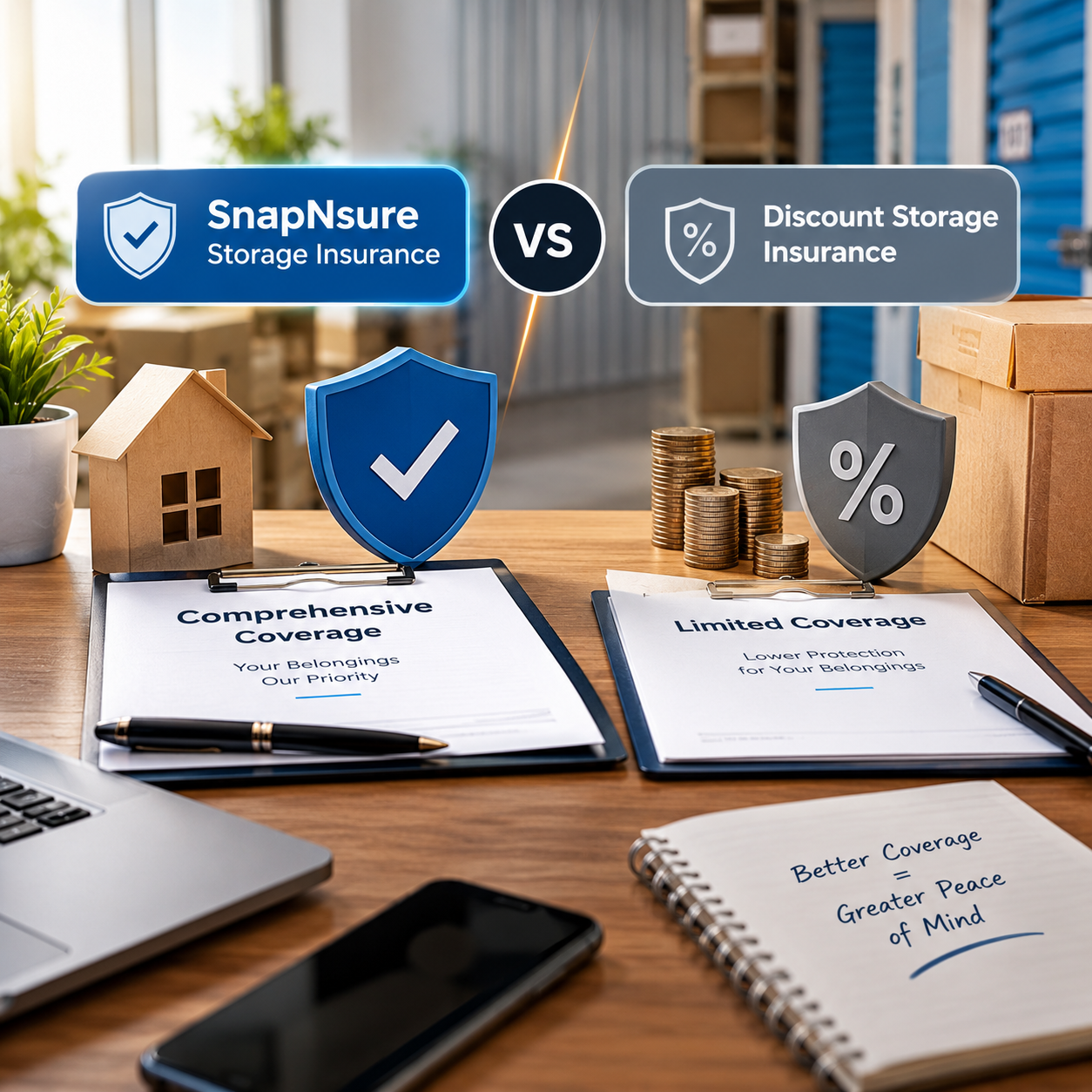
Many storage unit insurance options offer limits ranging from a few thousand dollars to around $5,000 per unit. That amount may not be enough if you are storing several costly furniture pieces.
SnapNsure offers storage unit insurance with coverage of up to $25,000 per unit, subject to policy terms and eligibility requirements. Our coverage program is underwritten by Pacific Insurance Company Limited, a company of The Hartford. The Hartford has provided insurance solutions for more than 200 years and holds an A+ rating from AM Best.
If you are comparing options such as MiniCo self storage insurance, compare coverage limits, deductibles, exclusions, and optional protections rather than looking at price alone. Choose a policy based on your actual stored contents and the protection available under its terms.
Keep Proof of Your Furniture’s Value
Good records are essential when documenting the belongings in your storage unit. Save receipts, product links, estimates, and dated photos in one place. Back up digital copies so they remain accessible if your phone or computer is lost.
SnapNsure provides a photo archive feature that lets customers document stored contents. Complete the required documentation before a loss occurs, and review the policy’s requirements carefully. Proper records can support your claim, although coverage remains subject to the policy terms.
Estimate Today to Prepare for Tomorrow
You’ve invested in furniture that makes your house feel like home. Before placing it in storage, take a moment to estimate its replacement cost and consider the protection you need.
SnapNsure makes getting storage unit insurance simple with online signup, coverage for eligible belongings in traditional and mobile storage, and a free photo archive for storing pictures and purchase receipts. You can also explore optional coverage for risks such as floods, named storms, and rodent damage, subject to policy terms.
FAQs
How do you estimate the replacement value of furniture?
List your furniture, check current prices for comparable items, and add their estimated replacement costs. Keep receipts, product details, and photos for reference.
Does SnapNsure offer storage unit insurance nationwide?
Yes. SnapNsure is licensed nationwide and offers the same prices across the country, subject to policy availability, eligibility, and applicable terms.
Does SnapNsure offer coverage above $5,000 per storage unit?
Yes. SnapNsure offers coverage up to $25,000 per unit, subject to policy terms, limits, and eligibility requirements.
What is a storage locker, and how does it differ from a storage unit?
A storage locker is generally smaller than a standard storage unit. The right choice depends on your furniture’s size, quantity, and storage requirements.
What does storage unit insurance cover?
Coverage depends on the policy. It may protect eligible stored belongings against covered losses, subject to applicable limits, deductibles, exclusions, and conditions.