
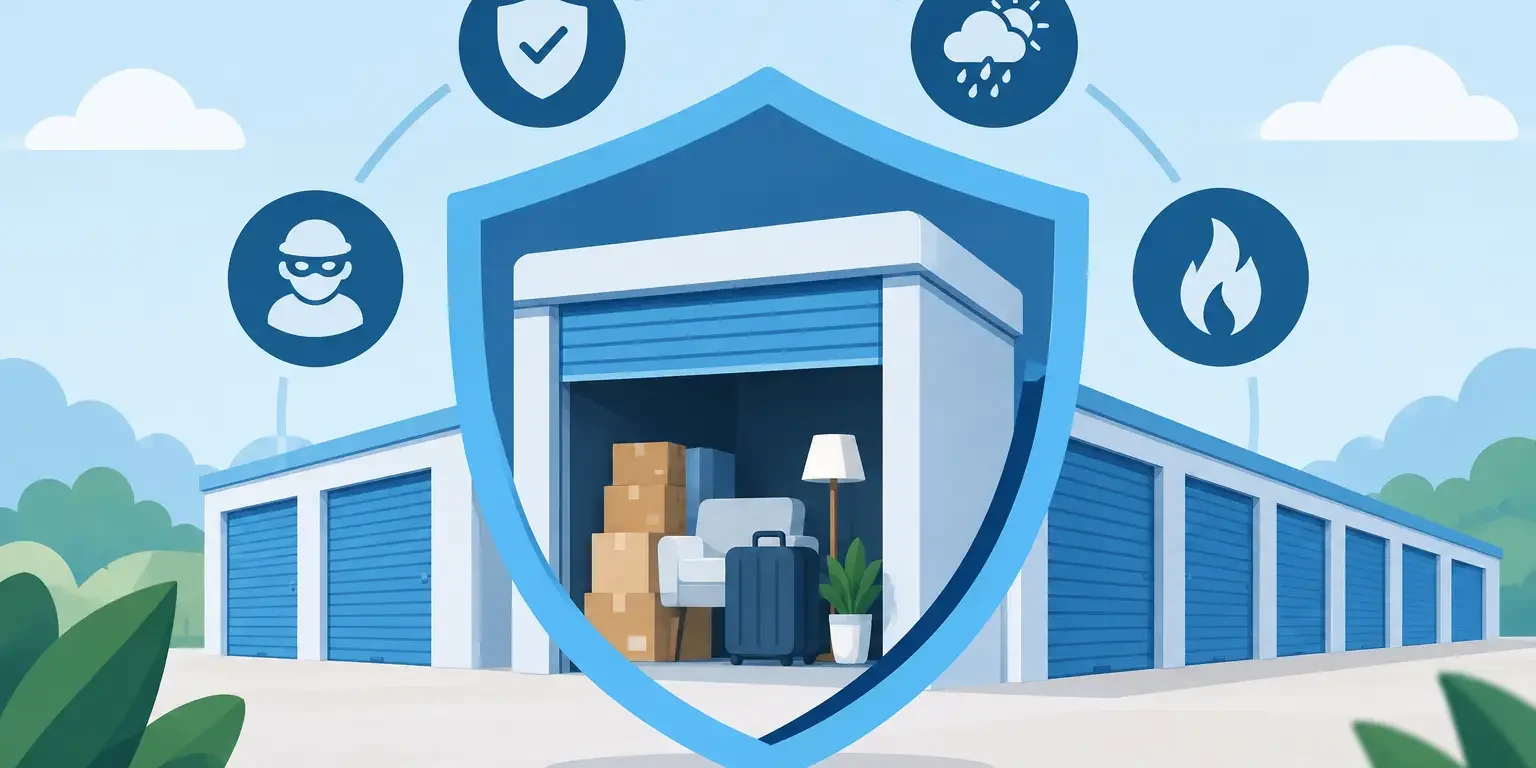
That $80-a-month storage unit can hold far more than furniture. It may hold family photos, tools, electronics, seasonal gear, business supplies, and the possessions you need when your move, renovation, or deployment is over. The real storage coverage benefits are not about checking a box at the rental counter. They are about having meaningful protection when a damaging loss turns a convenient storage solution into a costly problem.
A storage facility’s in-house protection plan can look easy because it is added to your monthly bill. Easy is not the same as strong. Before you pay for any plan, look at what it covers, what it excludes, how much it will pay, and whether it is an actual insurance policy. Those details determine whether your belongings are protected when it counts.
Storage Coverage Benefits Start With Real Protection
The biggest benefit of dedicated storage contents insurance is clarity. You are purchasing coverage for the personal property inside your storage unit or mobile storage container, not relying on a vague promise that may have strict limits or major gaps.
Many storage-provider plans are protection programs rather than traditional insurance policies. Their terms can be narrower than customers expect, particularly around weather, water, and the cause of a loss. That matters because storage losses are not limited to theft. A burst pipe, roof leak, fire, vandalism, wind event, or damaged mobile container can create a serious bill fast.
A real policy from an A-rated underwriter gives you a stronger foundation. It is designed to insure stored property, with defined covered causes of loss and a claims process built around an insurance contract. You should still read the policy carefully. Every policy has conditions, deductibles, valuation rules, and exclusions. But you deserve to know exactly what you are buying before a loss happens, not after.
Flood and named storm coverage can make a major difference
Water is one of the most misunderstood risks in storage. Customers often assume all water damage is treated the same. It is not. Flooding, storm surge, and named storms may be excluded or limited under basic facility offerings. If your unit is in a region vulnerable to hurricanes, heavy rain, or flooding, that gap can be expensive.
Broader storage coverage can include protection for flood and named storm losses, subject to policy terms. That is a meaningful advantage for people storing belongings through a move, during a home repair, or for an extended period. A low-priced plan that leaves out the risks most likely in your area is not necessarily a bargain.
Higher Limits Protect More Than a Few Boxes
One common mistake is underestimating the value of stored belongings. A sofa, mattress, television, laptop, power tools, kitchen equipment, clothing, collectibles, and boxes of household goods can add up quickly. Even a modest one-bedroom apartment can easily contain thousands of dollars in personal property.
Low facility plan limits may only cover a fraction of what is inside. That leaves you paying out of pocket to replace the rest. With storage insurance limits up to $25,000 per unit, you can choose an amount that better reflects what you actually have in storage.
You do not need a museum-quality inventory to make a smart choice, but you do need an honest estimate. Walk through your home or storage container before moving in. Consider replacement cost, not what you originally paid years ago. Take photos of higher-value items and keep receipts or serial numbers when available. These small steps make it easier to select a sensible limit and support a claim if the unexpected happens.
The right amount depends on your belongings. A college student storing dorm furniture may need much less coverage than a family placing an entire household into a portable container during a cross-country move. Paying for a limit that is too low saves very little if it cannot cover a meaningful loss.
Better Value Means You Can Stop Overpaying
Storage operators know convenience sells. Adding a protection charge to the monthly storage bill takes one click, which is why many renters accept it without comparison shopping. But convenience can come with inflated pricing and thin protection.
A separate storage contents policy can deliver real insurance at a lower monthly cost, with potential savings of 50% or more compared with competing storage-provider options. The value is not just the monthly price. It is the combination of cost, coverage breadth, and available limits.
Compare plans side by side before you commit. Look beyond the first number you see and ask four practical questions:
- Is this a real insurance policy or a limited protection plan?
- Does it cover flood and named storm damage?
- Is the coverage limit enough to replace my belongings?
- What deductible, exclusions, and documentation requirements apply?
If a provider cannot give clear answers, that is a reason to pause. Your stored property should not be protected by fine print you never had a chance to understand.
Mobile Storage Needs Coverage That Travels With You
Traditional storage units are only part of the picture. More people now use portable and valet storage during moves, renovations, downsizing, and temporary relocations. A container may sit in a driveway, travel on a truck, or remain at a warehouse before it reaches its final destination.
That flexibility is useful, but it also changes the risk. Mobile storage can face weather exposure, handling during transport, and different storage locations. Not every plan is built with these situations in mind.
Coverage designed for mobile storage can protect belongings kept in solutions such as PODS, PackRat, Mobile Mini, Clutter, and valet storage. The exact scope depends on the policy and storage arrangement, so confirm that your specific setup is eligible before you buy. The point is simple: your coverage should fit how and where you store, not force you into a one-size-fits-all plan.
When Homeowners or Renters Insurance Is Not Enough
Some people assume their homeowners or renters policy automatically handles everything in storage. It may provide some off-premises coverage, but that does not mean it is the best answer. Limits can be lower away from your home, certain causes of loss may be treated differently, and filing a claim could affect your primary insurance record.
A dedicated storage policy may let you protect the property in your unit without leaning on the policy that protects your home. For renters who do not have renters insurance, it can also provide a direct way to insure stored belongings rather than leaving them exposed.
This is an area where it depends. Review your existing policy, ask what applies to off-premises property, and compare that protection with a storage-specific option. The goal is not to pay twice for the same coverage. It is to avoid discovering a gap only after your belongings are damaged or stolen.
Make the Switch Without Making It a Project
Insurance should not become another moving-day chore. The best storage coverage benefits include a simple buying experience: get a quote, select a limit, add available optional protection if it suits your needs, and pay online. No waiting in a facility office. No pressure to accept the only plan presented at the counter.
If you already pay for a facility plan, switching can be worth it. Check whether your facility requires proof of coverage, confirm the cancellation date for its existing program, and save confirmation of the change. SnapNsure can help customers cancel an existing provider’s plan, making it easier to replace weak or overpriced protection without carrying duplicate charges.
Do not wait for a storm warning, a water leak, or a theft notice to inspect your coverage. Get a quote before your belongings go into storage, choose a limit based on what you would need to replace, and give your property the protection it deserves. Your storage unit may be temporary, but the financial impact of an uncovered loss can stay with you much longer.