A water damage storage claim example can make a stressful situation feel far more manageable. Picture this: you open your storage unit after a hard rain and find wet boxes, warped furniture, and a damp smell that tells you the damage may be worse than it first appears. The next moves you make matter. Fast documentation, clear records, and real storage insurance can mean the difference between a supported claim and a costly out-of-pocket loss.
A water damage storage claim example
Meet Jordan, who rented a 10-by-10 storage unit while moving between homes. The unit held a bedroom set, clothing, kitchen items, books, a television, and several boxes of family belongings. Jordan estimated the contents at about $12,000 and chose $15,000 in storage contents coverage before moving in.
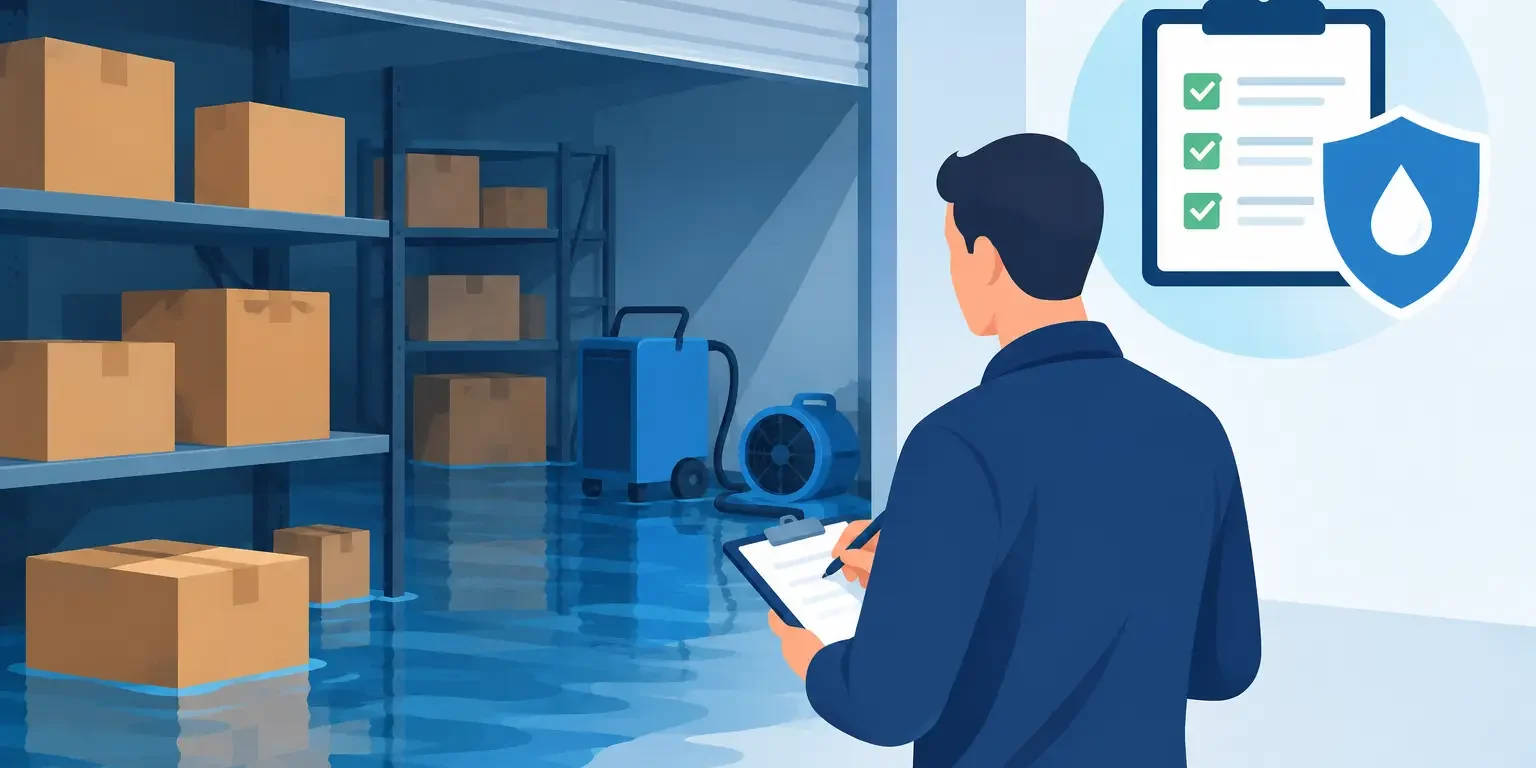
After several days of heavy rainfall, water entered the unit through a damaged section near the rear wall. Jordan discovered puddling on the floor, soaked cardboard boxes, a swollen wooden dresser, water-stained clothing, and a television that would no longer power on.
Jordan did not start tossing damaged property or hauling everything away. Instead, Jordan took wide photos of the unit, close-up photos of the water entry point, and photos of every damaged item before moving anything. A short video showed standing water and the condition of the boxes. Jordan also notified the facility manager that day and asked for a written incident report.
Next came the claim. Jordan submitted the date the damage was discovered, the storage-unit location and number, photos and video, the facility report, an inventory of damaged belongings, and available receipts, bank statements, and replacement-cost research. The claim also included a description of what happened: extended rainfall, water intrusion into the unit, and damage found upon entry.
The claim adjuster reviewed the documentation and requested a few additional details on the television and bedroom furniture. Jordan supplied a purchase receipt for the TV, photos from before the move showing the dresser in good condition, and replacement estimates for comparable items. After the deductible and the policy’s applicable terms were applied, Jordan received a payment for covered damage up to the policy limits.
That is the practical value of a claim file that is organized from day one. Insurance cannot dry out a photo album or replace a one-of-a-kind keepsake. But it can help replace covered property and keep one storage-unit problem from becoming a major financial setback.
What made this claim stronger
Jordan’s outcome was not about using insurance jargon. It came down to proof. Water damage can spread quickly, and wet cardboard can collapse, so it is tempting to clean up first and sort out the paperwork later. Resist that urge, unless immediate action is needed to prevent more damage or make the space safe.
Photographs establish the scene. Videos add context. A detailed inventory turns a pile of wet boxes into identifiable property with realistic values. Documents such as receipts, order confirmations, credit-card statements, appraisals, and pre-storage photos can help support ownership and value.
It also helped that Jordan reported the loss promptly. Waiting weeks may leave questions about when the damage occurred, whether the property remained exposed, and whether the loss could have been reduced. Prompt notice gives the insurer a cleaner picture of the event and gets the process moving sooner.
The facility incident report mattered too, but it was not a substitute for Jordan’s own evidence. Storage operators may document a leak, flood, plumbing issue, or weather event, yet their report may not list every item in your unit. Your inventory is still your responsibility.
What to do when you find water in your unit
Start with safety. Do not enter standing water if there is any concern about electrical hazards, unstable shelving, mold, or contaminated water. Notify the storage facility immediately and ask them to inspect the unit and address the source of the water.
Then document before you clean. Take photos from the doorway, capture the unit number, photograph water marks and damaged packaging, and record close-ups of each affected item. If the loss involves a mobile storage container, document the container number, location, exterior condition, and any apparent points of entry.
Make a written list while the details are fresh. Include the item, brand or description, estimated age, purchase price if known, approximate current replacement cost, and the type of damage. Avoid guessing wildly. A realistic, well-supported inventory is far more persuasive than a rushed list of round numbers.
Take reasonable steps to limit additional damage after documentation. Move dry property away from wet areas if it is safe to do so. Separate wet belongings from undamaged ones. Keep damaged property when possible until your insurer advises otherwise, because it may need to be inspected. If you must dispose of an item for health or safety reasons, photograph it thoroughly and keep any related disposal records.
Finally, file the claim with your insurer as soon as you can. Be factual. State what you saw, when you discovered it, and what you know about the event. Do not assume the cause, assign blame, or inflate values. Clear facts protect your credibility.
Water damage is not always covered
This is where many storage customers get an unpleasant surprise. “Water damage” is not one single event. A pipe leak, roof leak, sprinkler discharge, flood, storm surge, sewer backup, and gradual moisture problem can be treated differently under a policy.
Coverage depends on the policy language, the cause of loss, limits, deductible, exclusions, optional endorsements, and the property involved. For example, gradual deterioration, mold that develops over time, improper packing, and damage from an unresolved condition may not be treated the same as sudden, accidental water intrusion. High-value categories may also have special limits.
Flood is especially worth checking. A basic storage-facility protection plan may sound reassuring until you read the exclusions. Some plans are not insurance policies at all. They can have narrow causes of loss, lower limits, and restrictions that leave customers exposed when a major weather event hits.
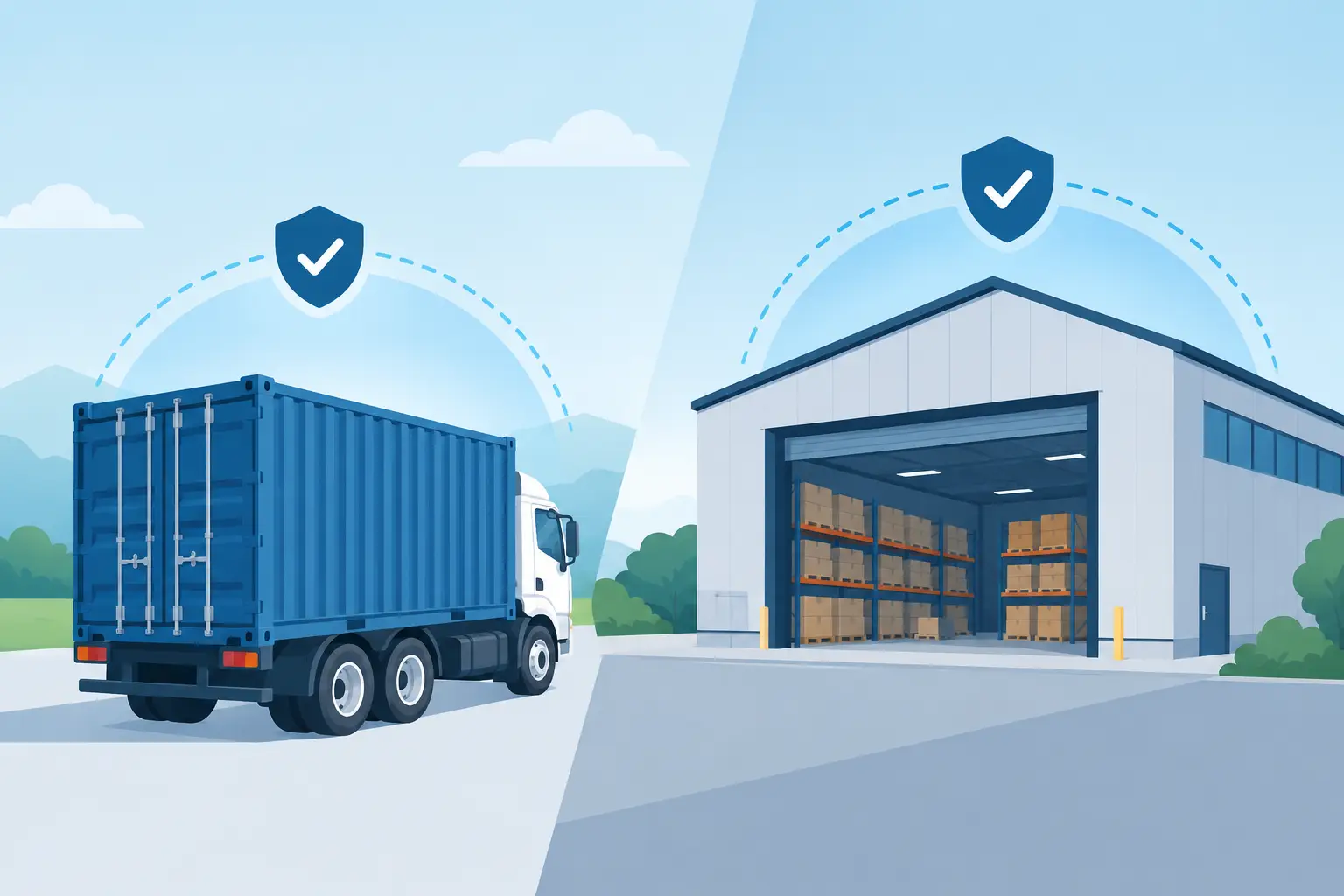
That is why coverage should be compared before anything goes wrong. Look past the monthly price. Ask whether the protection is a real insurance policy, whether flood and named storm losses are included or available, what deductible applies, what the unit limit is, and whether the policy works for a fixed unit or a mobile container.
Build your claim file before there is a claim
The easiest claim is the one you prepared for before loading the unit. Take a quick video walk-through of your belongings, opening boxes that contain higher-value items. Save receipts and order confirmations in a cloud folder. Photograph serial numbers for electronics, tools, and appliances.
Update that inventory when you add or remove major items. If you are storing an expensive collection, jewelry, fine art, business property, or unusually valuable equipment, check whether it needs separate scheduling or has a special limit. Do not assume every item receives the same protection.
Also check your coverage amount honestly. Underinsuring a packed unit to save a few dollars per month can backfire when replacement costs add up. Furniture, electronics, clothes, kitchen goods, tools, and children’s items can reach several thousand dollars faster than most people expect.
SnapNsure offers storage contents insurance designed for people who want more than a thin facility protection plan, with coverage options for traditional units and mobile storage. The smart move is to review the actual policy details and choose a limit that reflects what is inside your unit, not what you hope you will lose.
The goal is proof, not perfection
You do not need a museum-quality catalog of every towel and coffee mug to make a credible water damage claim. You do need enough evidence to show what you stored, what happened, and what was damaged. Start with photos, keep records where you can, and report the loss quickly.
A dry storage unit can make insurance feel optional. One leak, burst pipe, or severe storm can change that calculation fast. Protect the belongings you worked hard to buy, and keep the proof close enough to use when you need it.