
A storage unit can look perfectly dry for months, right up until water finds its way under a door, through a roof, or across a parking lot during a major storm. That is where flood coverage versus storage plans stops being fine print and becomes a very expensive question. If your belongings are damaged, the plan you bought matters far more than the reassuring name on the monthly charge.
Many renters assume the protection offered at move-in covers any water-related loss. Often, it does not. Basic facility plans can be limited, full of exclusions, and designed to protect the storage company more than your furniture, electronics, family keepsakes, or moving boxes.
Flood Coverage Versus Storage Plans: What Is Actually Different?
A storage facility protection plan is not always an insurance policy. It may be a limited reimbursement program or a contractual protection arrangement offered through the facility. That distinction affects what is covered, how much is paid, what proof you need, and which disasters are excluded.
Real storage contents insurance is designed to insure the property you keep in storage, subject to the policy terms, limits, deductibles, and exclusions. The difference is not just terminology. It can determine whether a water event results in a meaningful claim payment or a frustrating denial.
Flood is a prime example. Water damage is not one thing. A burst pipe, rain entering through a damaged roof, groundwater, surface water, storm surge, and overflowing drainage systems may be treated very differently. A plan that says it covers “water damage” may still exclude flood, seepage, named storms, or weather-related water intrusion.
That is why the right question is not, “Does this plan mention water?” Ask, “Does it specifically cover flood, and are named storms included?” If the answer is unclear, do not assume you are protected.
Why Storage-Provider Plans Can Leave Gaps
Storage operators are in the business of renting space. Their optional plans can be convenient, but convenience is not the same as broad protection. Some plans offer low coverage limits that may not come close to replacing what is inside your unit. Others limit coverage for specific types of loss or place strict caps on certain categories of belongings.
Think about what builds up in storage during a move or renovation: a sectional sofa, bedroom furniture, a television, kitchen equipment, clothing, tools, books, sports gear, and boxes of personal items. Replacement costs add up fast. A low-limit plan might sound affordable until you compare it with the actual value of the contents.
There can also be limits around mobile storage. If your belongings are in a PODS-style container, portable unit, valet-storage pickup, or a container being moved between locations, the risks do not disappear. Weather exposure, transit, loading, and temporary placement can all create questions that a basic facility plan was never built to answer.
A stronger policy should make it easier to understand the property it covers, where coverage applies, and what loss events are included. You should not need to become an insurance expert just to know whether a major storm could wipe out your protection.
The word “flood” deserves your attention
Flood damage can be catastrophic because it affects more than one box or one piece of furniture. It can soak an entire unit. Upholstered furniture, mattresses, papers, clothing, wood, electronics, and sentimental items can all be damaged at once.
And flood risk is not limited to waterfront homes or hurricane zones. Heavy rain can overwhelm drainage. A nearby creek can rise. A low-lying storage property can collect runoff. A storm can damage the building envelope and send water through a unit before anyone has time to respond.
If flood coverage is excluded, a cheap monthly plan may become the most expensive “savings” you ever made.
Compare Coverage Before You Compare Monthly Prices
Price matters. It should. But comparing storage plans only by the monthly fee is how renters get trapped in weak coverage. Start with the losses that would hurt most, then compare the protection side by side.
Look closely at the maximum limit per unit. Is it enough to replace your stored property at current prices? Do not guess based on what you paid years ago. A dining set, power tools, baby gear, computer equipment, and quality clothing may cost far more to replace now.
Then review covered causes of loss. Look for clear language about flood and named storms rather than broad marketing phrases. Check whether there are exclusions for water entering from outside, rising water, wind-driven rain, mold, vermin, or gradual leakage. No policy covers every situation, but you deserve to know the trade-offs before a loss happens.
Also ask how claims work. A legitimate insurance policy backed by a strong insurer provides a more familiar claims framework than an in-house protection promise. Keep receipts when you can, take photos of higher-value belongings before storing them, and create a simple inventory on your phone. Those few minutes can save enormous stress later.
When a Basic Plan May Be Enough – and When It Is Not
There are cases where a lower-limit facility plan may fit. If you are storing inexpensive items for a few weeks, have verified coverage through your homeowners or renters insurance, and can comfortably absorb a loss, a basic option may be reasonable.
But do not assume your existing homeowners or renters policy automatically handles off-premises storage, flood losses, or mobile storage containers the way you expect. Off-premises coverage may be limited, subject to a deductible, or restricted by the cause of loss. Call your insurer and ask specific questions before relying on it.
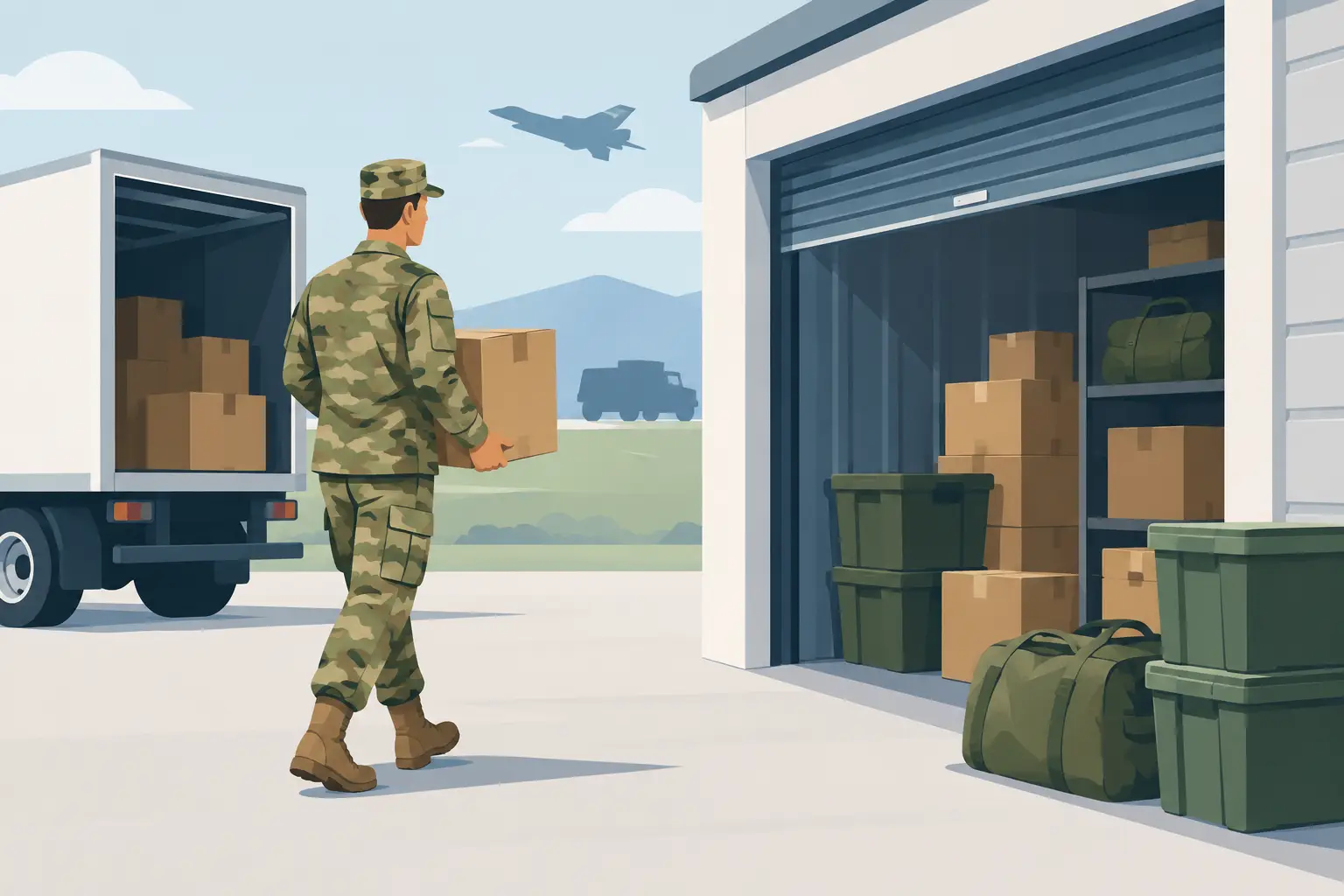
A dedicated storage contents policy makes more sense when your unit holds meaningful value, when you are storing for several months or longer, or when you want coverage that is built around storage rather than borrowed from another policy. It is especially worth considering when you are moving, downsizing, renovating, serving in the military, sending a student to college, or using a portable container during a transition.
Those are the moments when belongings are most likely to be packed away and forgotten. They are also the moments when a storm, leak, or facility problem can create a loss you did not budget for.
Get the Coverage Limit Right
Underinsuring is common because people picture a storage unit as “just boxes.” Add up the replacement value room by room instead. Start with furniture and electronics, then include clothing, appliances, tools, collectibles, and seasonal equipment. If a particular item has a major value, document it separately.
Choose a limit that reflects the total replacement cost, not a number that merely keeps the monthly payment low. Higher limits are useful only if they match what is in the unit. Likewise, paying for more coverage than you need is not smart value.
SnapNsure offers monthly storage contents insurance with limits up to $25,000 per unit, including protection designed for traditional and mobile storage needs. The point is simple: get real insurance for the value you actually have stored, without automatically accepting the facility’s higher-priced, lower-confidence option.
Read the policy, not just the sales sign
Before buying, confirm the deductible, coverage limit, eligible property, covered locations, and exclusions. Ask whether flood and named storm coverage apply to your storage situation. If you are using a portable container, confirm that the container type and its location are eligible.
This is not about hunting for a policy that promises everything. It is about avoiding a policy that quietly excludes the exact event you are worried about. Clear answers now beat a claim dispute later.
The Smarter Move Before the Next Storm
A storage plan can feel like one more checkout-screen add-on. Your belongings are not an add-on. They are the things you spent years buying, using, inheriting, and saving.
Before your next payment is due, pull up your current plan and look for the word “flood.” If it is missing, excluded, or buried in language you cannot understand, get a quote for coverage that gives you a clearer answer. A few minutes of checking now can protect far more than the contents of a storage unit when the weather turns.