
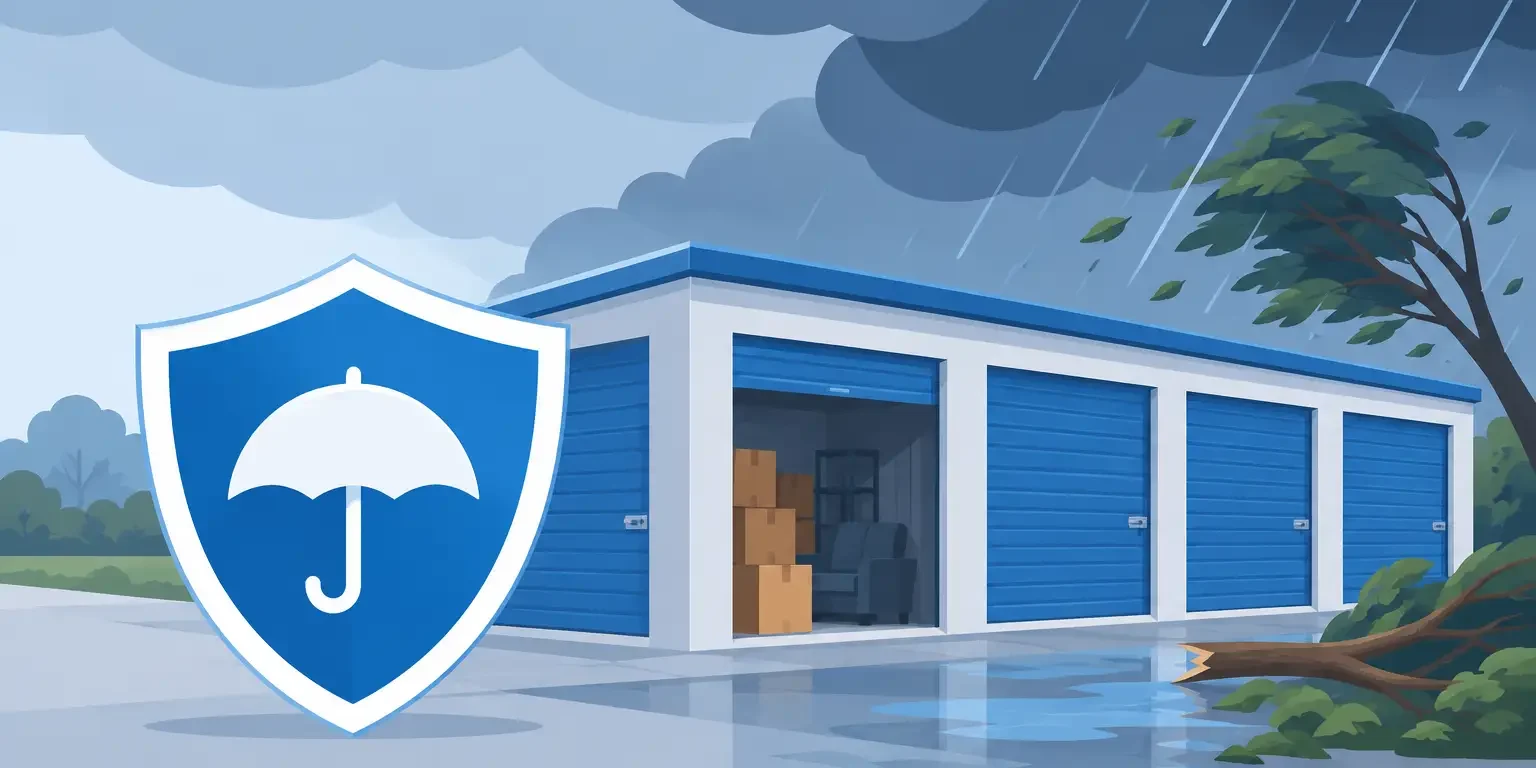
A storm does not care whether your belongings are in your living room, a self-storage unit, or a mobile container parked in the driveway. Wind-driven rain, flooding, hail, and fallen trees can turn a stored sofa, family photo collection, or box of electronics into a costly loss fast. So, does insurance cover storm damage? Sometimes. The real answer depends on the cause of damage, the policy you have, and whether your coverage was built for stored property in the first place.
If you are relying on the storage facility’s basic protection plan, do not assume your things are fully protected. Many plans are limited, packed with exclusions, or simply are not insurance policies at all. Read the terms before the forecast gets ugly.
Does Insurance Cover Storm Damage to Stored Belongings?
A real storage contents insurance policy may cover certain losses caused by storms, including damage from a named storm when that coverage is included in the policy. But “storm damage” is a broad phrase. A policy may treat wind, rain entering through a damaged roof, hail, floodwater, and sewer backup very differently.
For example, a severe storm could rip part of a storage building’s roof away, allowing rain to damage furniture and boxes inside. That may be a covered loss under a policy that covers the applicable weather event. If the same belongings are ruined by rising water after heavy rainfall, flood coverage may be what makes the difference.
That distinction matters. Standard homeowners or renters insurance can sometimes extend limited protection to personal property kept off-premises, but the limit may be far lower than you need. There may also be a deductible, exclusions for certain weather events, or no meaningful coverage for a mobile storage container. Never treat coverage at home as automatic coverage in storage.
The Storm Events That Can Create Big Gaps
Storm losses rarely arrive in a neat, single category. One storm can bring wind, rain, hail, power outages, floodwater, and debris. The source of the damage is what insurers investigate.
Wind damage may apply when high winds damage a building or container and the resulting opening lets water in. Hail can damage a roof or the exterior of a mobile storage unit. A fallen tree may crush a container or create an opening that exposes its contents.
Flood is often the biggest surprise. Flood damage generally means water that rises or flows over normally dry land, such as overflowing creeks, storm surge, or widespread surface water after heavy rain. It is not always treated the same as water that enters through a storm-damaged roof. If flood protection matters where you store, make sure it is actually listed in the coverage you buy.
Named storms deserve the same close look. Hurricane and tropical-storm losses can be subject to special terms in some policies, including restrictions, waiting periods, or separate deductibles. Do not wait until a storm has a name to check your policy. By then, new coverage may be unavailable or a waiting period may apply.
Why Storage Facility Protection Can Fall Short
Storage facilities frequently offer a protection plan at move-in. It may be convenient, but convenient is not the same as comprehensive. These plans can have lower coverage limits, narrow covered-cause language, and exclusions that leave customers paying for a loss out of pocket.
The facility’s own insurance generally protects the facility, not your belongings. Even when a facility is responsible for maintenance, proving liability after a storm can be difficult and slow. A signed rental agreement may also limit the facility’s responsibility for weather-related losses.
Before accepting any storage-provider plan, ask direct questions: Is this a real insurance policy? Is flood covered? Are named storms covered? What is the maximum payment for my unit? Are mobile storage containers covered? What deductible applies? The answers matter more than a low monthly add-on price that delivers little when you need it.
What a Stronger Storage Insurance Policy Should Address
The right policy starts with the value of what you actually have in storage. It is easy to underestimate a unit filled over months or years. Furniture, tools, clothing, electronics, collectibles, kitchenware, and kids’ belongings add up quickly.
Look for coverage designed for self-storage and mobile storage, with limits high enough to match your contents. Ask specifically about covered weather losses, including flood and named storm coverage where available. Review the deductible, the exclusions, and any limits for categories such as jewelry, art, documents, or business property.
SnapNsure offers REAL insurance coverage for stored belongings, including options designed to provide broader protection than many facility plans. Customers can choose coverage limits up to $25,000 per unit and get a quote online without getting buried in confusing sales talk. Coverage is subject to policy terms, conditions, limits, and exclusions, so review your quote carefully before you buy.
Price matters, too. Paying more through a storage operator does not automatically buy better protection. A lower-cost monthly policy with meaningful coverage can be the smarter move, especially if you are storing during hurricane season, a cross-country move, a renovation, or a long transition between homes.
What to Do Before a Storm Hits
Insurance is your financial backstop. Preparation can reduce damage and make a claim easier if the worst happens. If you have time before severe weather arrives, elevate boxes and furniture off the floor using pallets or shelving. Keep electronics and documents higher up, and use sturdy plastic bins for items that are especially vulnerable to water.
Take photos or video of the unit and its contents. Open a few boxes on camera if needed to show what is inside. Save receipts, appraisals, serial numbers, and an inventory list somewhere outside the unit, such as secure cloud storage. If you are using a mobile container, ask the provider about the safest available placement before major weather arrives.
Do not store irreplaceable paper records, cash, or items that need climate control in a unit that cannot support those needs. Insurance can help replace eligible property, but it cannot recreate one-of-a-kind photographs or personal documents. Digitize what you can before storing it.
If Storm Damage Happens, Act Fast
Once it is safe to access your unit, document the damage before moving or discarding anything. Photograph the exterior, the point where water or debris entered, each damaged item, and the overall condition of the space. Notify the storage operator or mobile-storage provider promptly, but remember that reporting the incident to them is not the same as filing an insurance claim.
Contact your insurer as soon as possible and provide clear documentation. Keep damaged property until you receive instructions, unless it creates a safety issue or must be removed to prevent additional damage. Take reasonable steps to prevent further loss, such as moving dry items away from standing water, but avoid making major repairs before documenting the condition.
Be prepared to show proof of ownership and value. Your inventory, photos, receipts, and even older family photos showing an item in your home can help support a claim. Honest, organized documentation gives you a better starting point than trying to remember every item after a soaked unit has been cleared out.
Do Not Let Weather Exclusions Surprise You
The best time to ask whether insurance covers storm damage is before you put the lock on your storage unit. Compare the actual policy language, not just a brochure headline or a facility employee’s quick explanation. Confirm that your storage type, location, coverage amount, and weather concerns are addressed.
A storm can damage more than your belongings. It can expose the costly gap between a basic storage plan and real protection. Get clear on what your policy covers now, choose limits that reflect what is in your unit, and keep your records ready. When the forecast turns, confidence is worth far more than a cheap plan with expensive surprises.