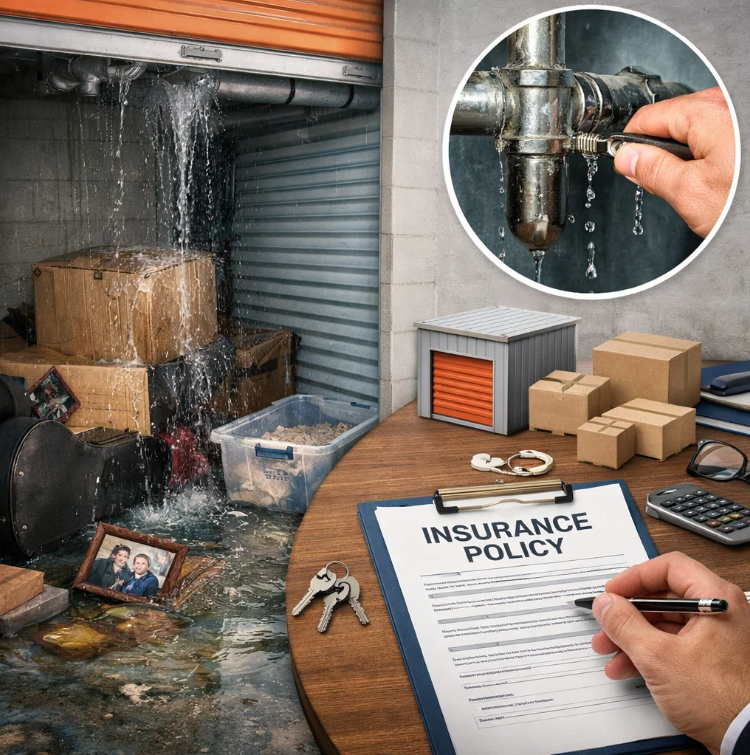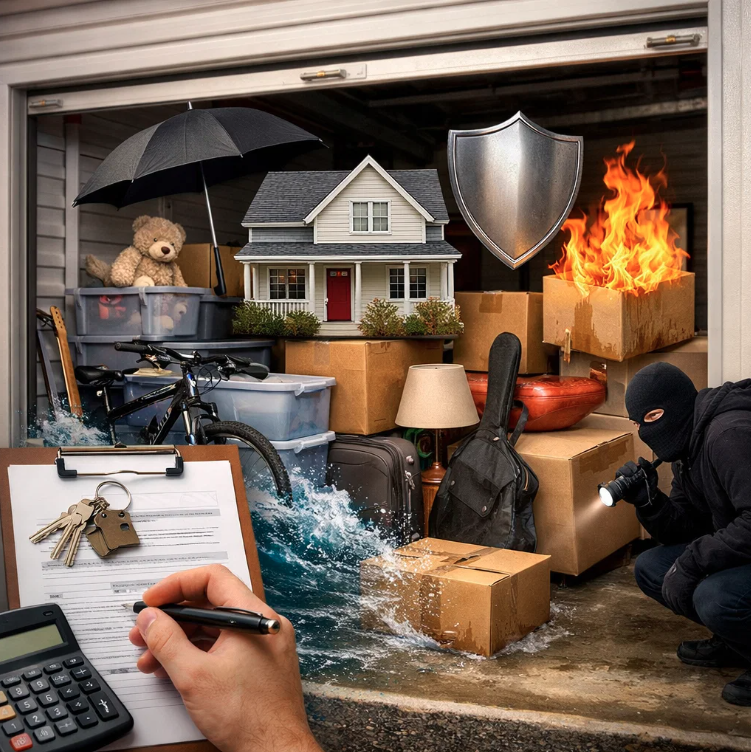
Every year, many storage units face unexpected problems like fire, water leaks, and theft. These situations can happen without any warning. Because of this, many people assume the storage facility will take care of the damage.
But that is not always how it works. Most facilities only provide space and basic security. They may not be responsible for your belongings. So the real question is simple. If something goes wrong, who actually pays?
Understanding the Role of Storage Facilities
Storage facilities are designed to keep your belongings as safe as possible. They use different security systems to lower risks and protect the property. Cameras watch the area, gated access controls who can enter, and strong locks help secure each unit. In some cases, staff also monitor activity to add an extra layer of safety.
These steps are helpful and reduce many risks, but they do not guarantee full protection. Their main role is to protect the facility, not to take responsibility for the items you store inside.
Are Storage Facilities Responsible for Damage?
In most cases, the answer is no.
When you rent a unit, you usually agree to a contract. This contract often says:
- You store items at your own risk
- The facility is not responsible for damage
- You must take care of your belongings
This is very important to understand. Even if the facility is clean and secure, they may not pay for any damage.
Why Facilities Don’t Cover Your Items
Storage facilities focus on protecting their own property. They take care of the building and make sure it stays secure and well-maintained. They also manage security systems like cameras, gates, and access control to reduce risks. However, they do not take responsibility for your personal belongings.
If something gets damaged or lost, they usually do not replace your items. This can confuse many people. The facility may be safe and well-protected, but that does not mean your belongings are fully protected inside the unit.
Where Protection Comes From
This is where insurance becomes important. Many people think the facility will handle everything. But in reality, you may need your own coverage.
Many people look at third-party storage facility insurance to help protect their belongings. This type of insurance can help in case of damage or loss.
It can help with:
- Repair or replacement costs
- Financial recovery
- Reducing stress after an incident
Without insurance, all costs may fall on you. That can become expensive very quickly.
Simple Facts to Understand
Let’s make this easy to follow:
- Storage facilities protect the space, not your items
- They are usually not responsible for damage
- Accidents and damage can still happen
- Insurance can help protect your money and items
What Happens Without Insurance
If you do not have insurance, you may have to pay for everything yourself.
This can include:
- Repair or replacement costs
- Loss of stored items
- Unexpected financial stress
Even a small issue can lead to big expenses. This is why many people choose to stay protected with insurance.
Why Many People Choose Insurance
This is where trusted third-party storage unit renters insurance becomes helpful. It gives you extra protection beyond the facility.
But here is something important to remember. Not all insurance is the same. Coverage can vary. Some plans may have limits. So it is always smart to check what your coverage includes before storing your items.
Why Choosing the Right Provider Matters
Not all insurance providers offer the same level of trust and reliability. That is why SnapNsure stands out.
SnapNsure is backed by one of the largest and most trusted insurance carriers in the world — The Hartford Insurance Company. Many competitors use smaller or unknown carriers. But SnapNsure chooses a well-established and reliable partner.
The Hartford has:
- Over 200 years of experience
- An A+ rating for financial strength
- A strong reputation in the insurance industry
SnapNsure also offers:
- Nationwide licensing
- Same pricing across all locations
- No extra charges for climate-controlled units
This makes it a simple and reliable choice for storage insurance.
How to Think About Storage Protection
Here is an easy way to understand it: The storage facility protects the building. Insurance protects your belongings
Both are important. But they do different jobs. You need both for better safety.
The Smart Way to Stay Protected
The best approach is simple. Combine safe storage with proper insurance. When both work together, you get stronger protection for your belongings. It helps reduce risks and gives you more confidence while storing your items. With insurance, you are better prepared if something unexpected happens.
Here’s what you gain: better protection for your stored items, less financial risk if damage or loss occurs, and more peace of mind knowing you are covered. SnapNsure supports this need by offering reliable storage unit insurance. It is backed by The Hartford, a trusted name with long experience, strong ratings, and a reputation for dependable coverage.
Don’t Rely on Security Alone
So, are storage facilities responsible for damaged items? In most cases, no. They provide security, but they do not take responsibility for your belongings. This means the responsibility is usually yours. If something happens, it can lead to stress and high costs. That is why having the right insurance is so important.
SnapNsure, backed by The Hartford Insurance Company, offers a trusted option. With over 200 years of experience, an A+ rating, and nationwide coverage, it provides reliable storage insurance with simple pricing.
The bottom line is simple. Storage protects your space. Insurance protects your peace of mind. If you want to stay prepared, choosing the right coverage is always a smart step.
FAQs
1. Are storage facilities responsible for damaged items?
In most cases, no. Storage facilities provide security for the property, but they are not responsible for damage or loss of your personal belongings.
2. What does a storage facility actually cover?
A storage facility usually covers building maintenance and basic security like cameras, gates, and access control. It does not cover your stored items.
3. Why do I need insurance for my storage unit?
Insurance helps protect you from unexpected costs. If damage or loss happens, you won’t have to pay everything yourself.
4. Can I store items without insurance?
Yes, but it is risky. Without insurance, you may have to handle all repair or replacement costs on your own if something goes wrong.
5. What types of damage are common in storage units?
Common risks include fire, water leaks, theft, and accidental damage. These can happen even in secure storage facilities.